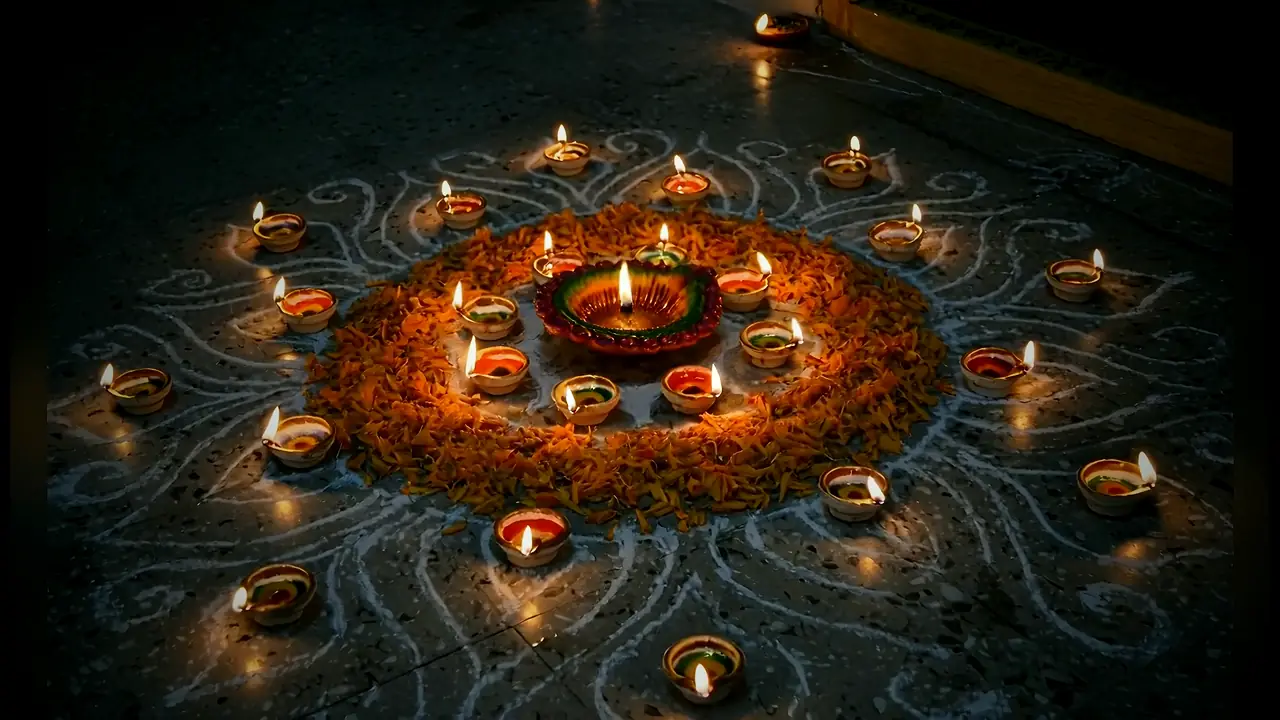
Why does one lamp tonight face south, toward the god of death? On Dhanteras, in homes across India, a single lamp is lit at the door for Yama. The answer is a story grandmothers tell, of a young bride who kept death waiting all night.
आज रात एक दीया दक्षिण की ओर, मृत्यु के देवता की ओर क्यों रखा जाता है? धनतेरस पर, भारत के घरों में, द्वार पर यम के लिए एक दीया जलता है। इसका उत्तर दादी-नानी की एक कथा है, उस दुल्हन की, जिसने पूरी रात मृत्यु को रोके रखा।
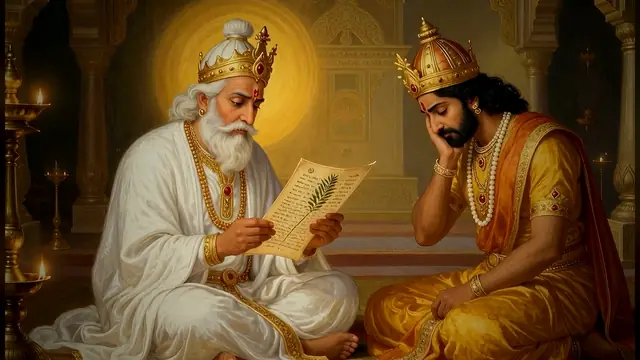
A king named Hima had a son he loved dearly. The prince was sixteen years old. And his horoscope, the story says, held a terrible prediction. He would die of a snakebite on the fourth day of his marriage.
हिम नाम के एक राजा थे, जिन्हें अपना पुत्र बहुत प्रिय था। राजकुमार सोलह साल का था। और कथा कहती है, उसकी कुंडली में एक भयानक भविष्यवाणी थी। विवाह के चौथे दिन, साँप के काटने से उसकी मृत्यु होगी।
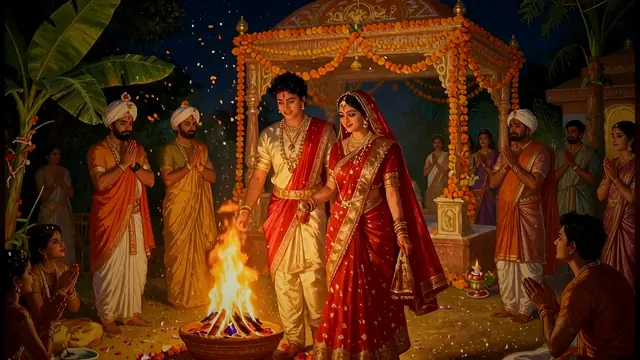
Still, the king arranged his wedding, in some tellings to a girl whose stars were said to be lucky. The young bride learned of the prophecy. And she made up her mind. Death would not take her husband without a struggle.
फिर भी राजा ने उसका विवाह रचाया, कुछ कथाओं में ऐसी कन्या से, जिसके ग्रह शुभ माने जाते थे। नई दुल्हन को भविष्यवाणी का पता चला। और उसने मन में ठान लिया। मृत्यु उसके पति को बिना संघर्ष के नहीं ले जाएगी।
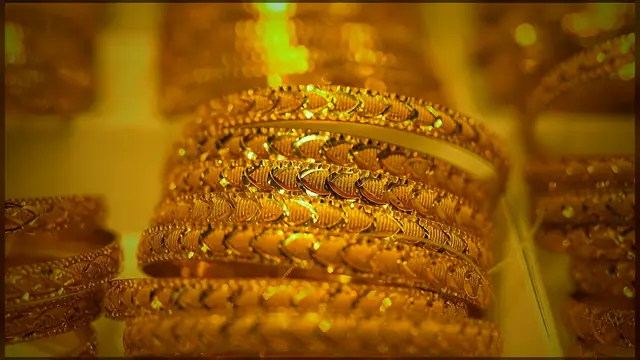
On the fourth night, she would not let him sleep. She gathered all her ornaments, and a great pile of gold and silver coins, and heaped them at the door of their room. Then she lit lamps everywhere, until the whole place shone. And all night, she told him stories and sang him songs, to keep his eyes open.
चौथी रात, उसने पति को सोने नहीं दिया। उसने अपने सारे गहने, और सोने-चाँदी के सिक्कों का एक बड़ा ढेर, कमरे के द्वार पर सजा दिया। फिर हर ओर दीये जलाए, जब तक पूरा महल जगमगा न उठा। और पूरी रात, वो उसे कहानियाँ सुनाती रही, गीत गाती रही, ताकि उसकी आँखें खुली रहें।
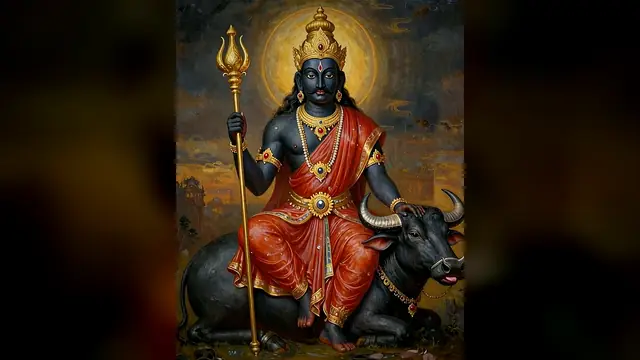
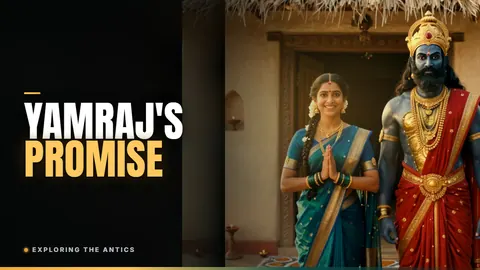
Deep in the night, Yama arrived. He came in the form of a serpent, to strike the prince.
आधी रात को यम आए। राजकुमार को डसने, वो साँप के रूप में आए।
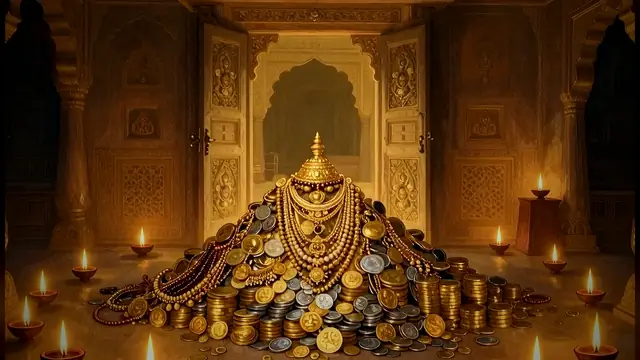
But at the door, the lamplight blazed off the gold and silver, and the dazzle blinded him. He could not find his way into the room.
पर द्वार पर, दीयों की रोशनी सोने-चाँदी पर ऐसी चमकी, कि उनकी आँखें चौंधिया गईं। उन्हें कमरे का रास्ता नहीं मिला।
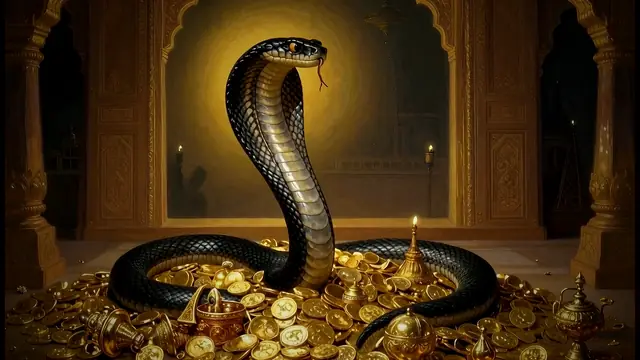
So the serpent climbed onto the heap of treasure, and there he stayed. All night long, he sat listening to her stories and her songs.
तो सर्प बने यम उस खज़ाने के ढेर पर चढ़कर बैठ गए। पूरी रात, वे उसकी कहानियाँ और गीत सुनते रहे।
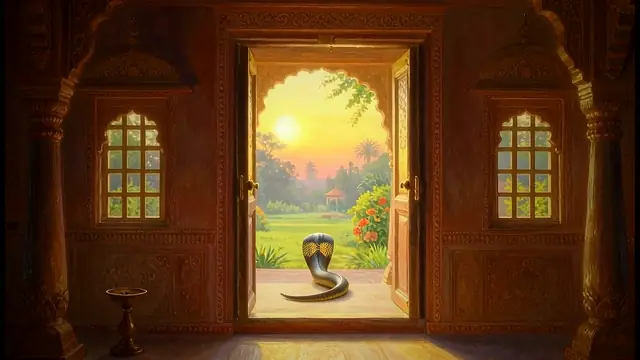
When morning came, the fated hour had passed. Yama, the legend says, slipped quietly away. And the prince lived.
सुबह हुई, तो नियत घड़ी बीत चुकी थी। कथा कहती है, यम चुपचाप लौट गए। और राजकुमार जीवित रहा।
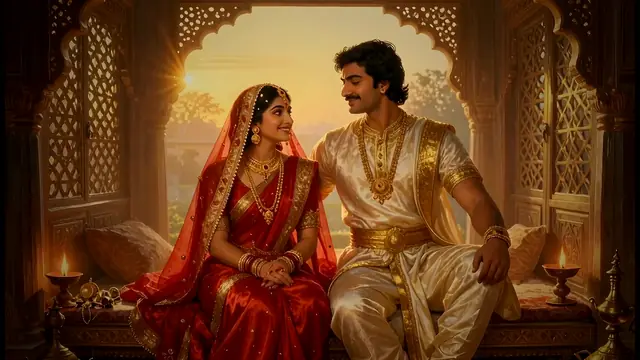
From that night came the custom of lighting a lamp for Yama, and keeping it burning until dawn. It is called Yama Deepdaan, the gift of a lamp to Yama. A wife saved her husband not with weapons, but with courage, light, and music.
उसी रात से यम के लिए दीया जलाने, और उसे भोर तक जलाए रखने की परंपरा चली। इसे यम दीपदान कहते हैं, यम को दीये का दान। एक पत्नी ने अपने पति को हथियारों से नहीं, बल्कि साहस, रोशनी और संगीत से बचाया।
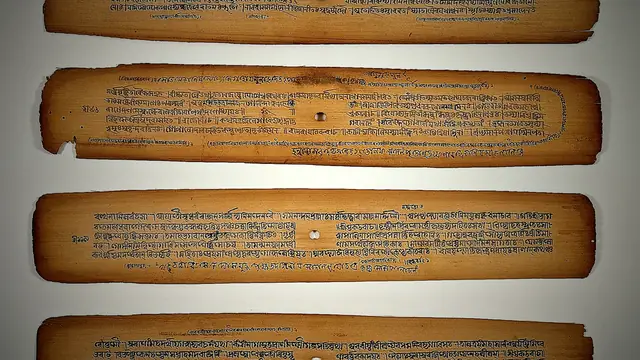
The lamp itself is very old. The Skanda Purana, in its chapters on the holy month of Kartika, says that on this thirteenth day of the waning moon, in the early part of the night, a lamp should be offered to Yama, facing south. That, it says, keeps away an untimely death.
ये दीया बहुत पुराना है। स्कन्द पुराण, कार्तिक के पवित्र महीने के अध्यायों में कहता है, कि कृष्ण पक्ष की इस त्रयोदशी को, रात के पहले पहर में, यम के लिए दक्षिण की ओर दीया अर्पित करना चाहिए। इससे अकाल मृत्यु दूर रहती है।
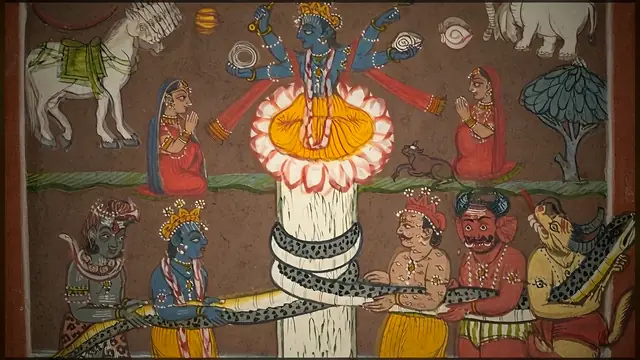
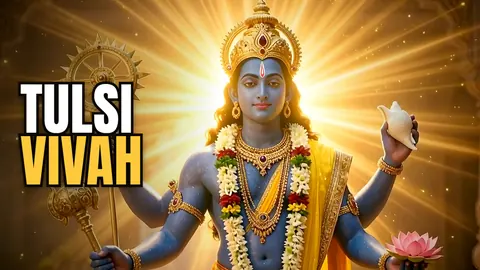
Dhanteras holds a second story. When the gods and the asuras churned the ocean of milk, a young man rose from the waters, carrying a jar filled to the brim with amrita, the nectar of immortality. The Bhagavata Purana names him Dhanvantari, the physician of the gods.
धनतेरस की एक दूसरी कथा भी है। जब देवताओं और असुरों ने क्षीर सागर का मंथन किया, तो लहरों से एक दिव्य पुरुष प्रकट हुए, हाथ में अमृत से भरा कलश लिए। भागवत पुराण उन्हें धन्वन्तरि कहता है, देवताओं के वैद्य।
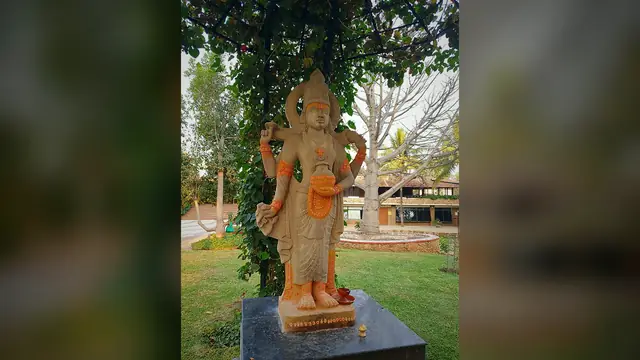
Tradition holds that he rose on this very day. So Dhanteras is also his birthday, Dhanvantari Jayanti, when many people pray for good health. And because he came out of the ocean holding a vessel, many families bring home a new pot or pan today.
परंपरा मानती है कि वो इसी दिन प्रकट हुए। इसलिए धनतेरस उनकी जयंती भी है, धन्वन्तरि जयंती, जब बहुत से लोग अच्छी सेहत की प्रार्थना करते हैं। और क्योंकि वो कलश लेकर सागर से निकले, कई परिवार आज नया बर्तन घर लाते हैं।
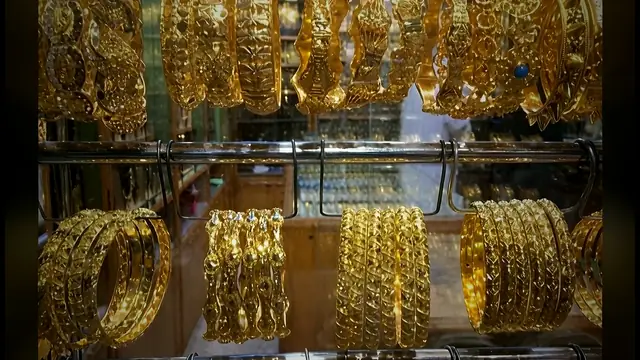
Then comes the third blessing, Lakshmi, who also rose from the ocean of milk. Dhanteras is one of the busiest days of the year for buying gold and silver in India. And many people also buy a humble new broom, to sweep bad luck out of the house and make room for good fortune.
फिर आता है तीसरा आशीर्वाद, माँ लक्ष्मी, जो भी क्षीर सागर से प्रकट हुईं। धनतेरस भारत में सोना-चाँदी खरीदने के सबसे व्यस्त दिनों में से है। और बहुत लोग एक नई झाड़ू भी खरीदते हैं, ताकि घर से दुर्भाग्य बुहार दें, और सौभाग्य के लिए जगह बने।
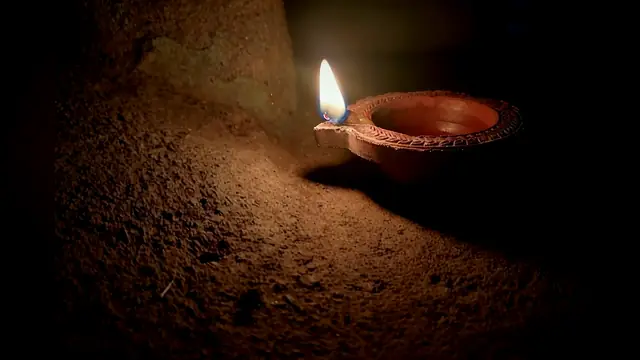
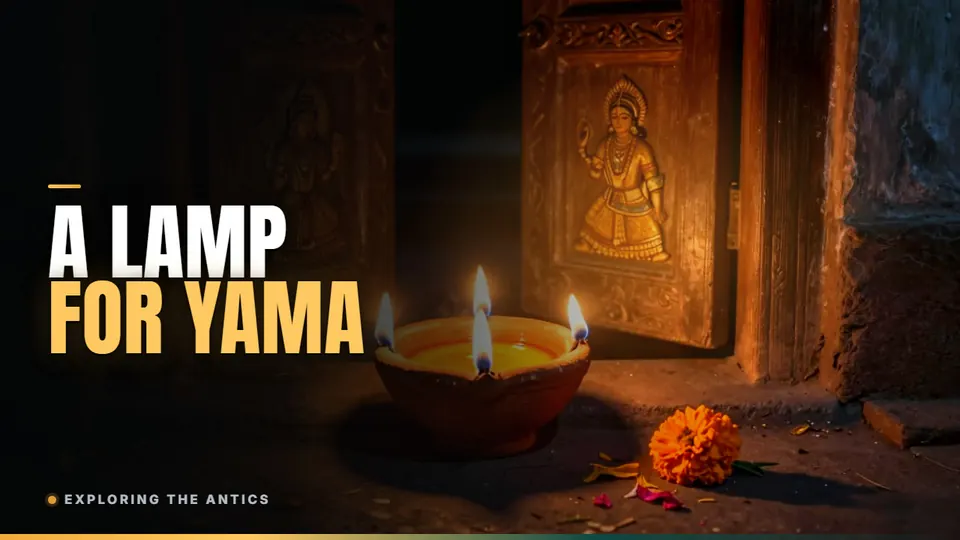
And this evening, after sunset, the old story comes back to every doorstep. A simple clay lamp, or one shaped from wheat dough, is filled with mustard or sesame oil. In many homes it has four wicks. It is placed outside, near the door, with its flame facing south.
और आज शाम, सूरज ढलने के बाद, वो पुरानी कथा हर द्वार पर लौट आती है। मिट्टी का एक साधारण दीया, या आटे से बना दीया, सरसों या तिल के तेल से भरा जाता है। कई घरों में उसमें चार बातियाँ होती हैं। उसे बाहर, द्वार के पास, लौ दक्षिण की ओर करके रखा जाता है।
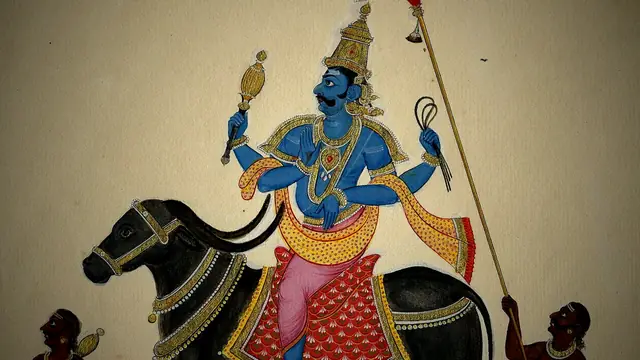
Why south? In Hindu tradition, Yama is the guardian of the south. On other nights, many households take care never to point a lamp's flame that way. On this one night, the lamp turns south deliberately, as an offering to the god who rules there.
दक्षिण ही क्यों? हिंदू परंपरा में, यम दक्षिण दिशा के स्वामी हैं। बाकी रातों में, कई घर ध्यान रखते हैं कि दीये की लौ कभी उस ओर न हो। पर इस एक रात, दीया जान-बूझकर दक्षिण की ओर रखा जाता है, उस दिशा के देवता को अर्पण के रूप में।
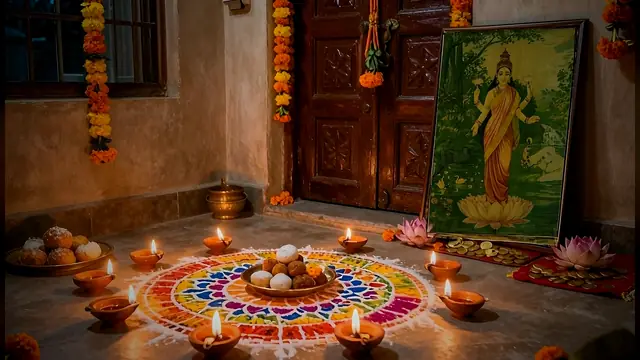
Think about what that means. On a night given to wealth and to health, families stop at their own doorstep, and remember life itself. Not with fear, but with a small flame, and a request for more time with the people they love.
सोचिए इसका अर्थ क्या है। धन और सेहत को समर्पित इस रात, परिवार अपने ही द्वार पर रुकते हैं, और स्वयं जीवन को याद करते हैं। डर से नहीं, बल्कि एक छोटी सी लौ से, और अपनों के साथ थोड़ा और समय माँगते हुए।
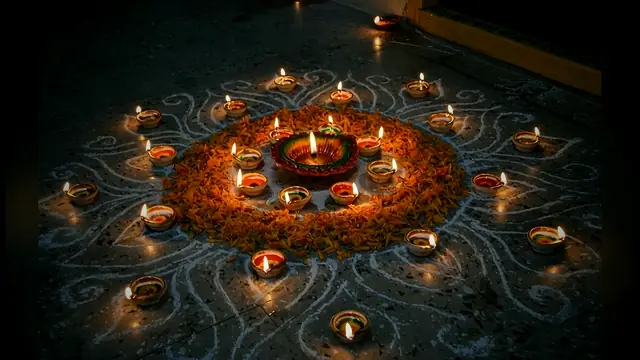
May Lord Dhanvantari bless your family with good health, may Goddess Lakshmi bless your home with prosperity, and may your lamp at the door light the way for your family this year. Happy Dhanteras, and a very happy Diwali to you and your family.
भगवान धन्वन्तरि आपके परिवार को सेहत दें, माँ लक्ष्मी आपके घर को समृद्धि दें, और द्वार का आपका दीया आपके परिवार की राह रोशन करे। आपको और आपके परिवार को धनतेरस और दिवाली की हार्दिक शुभकामनाएँ।