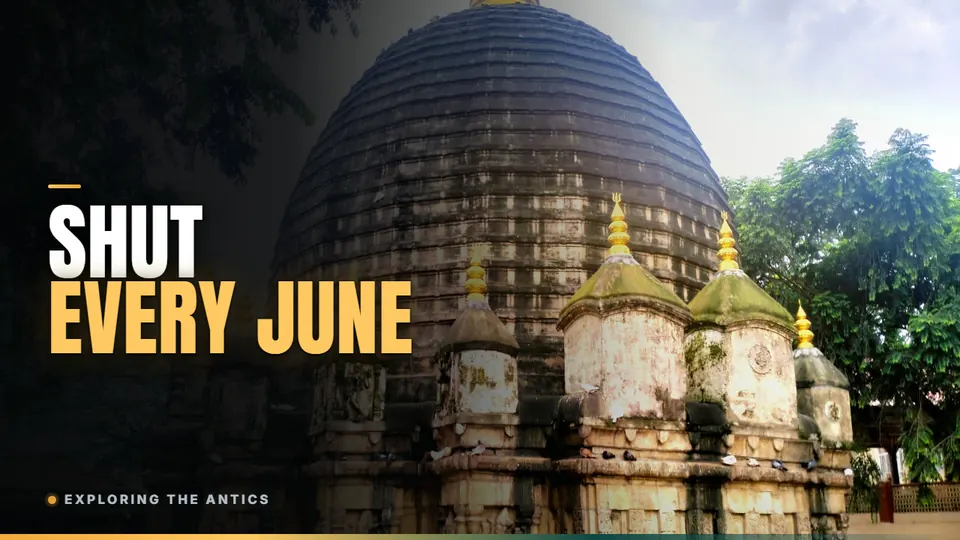
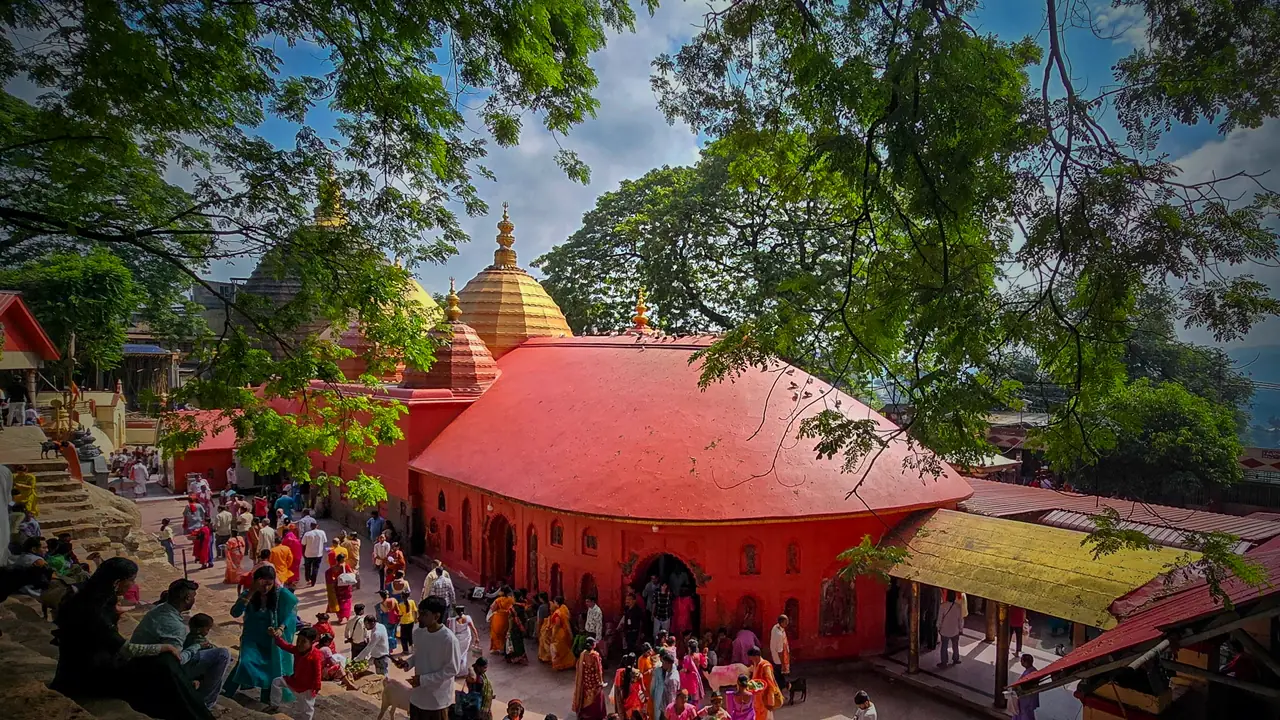
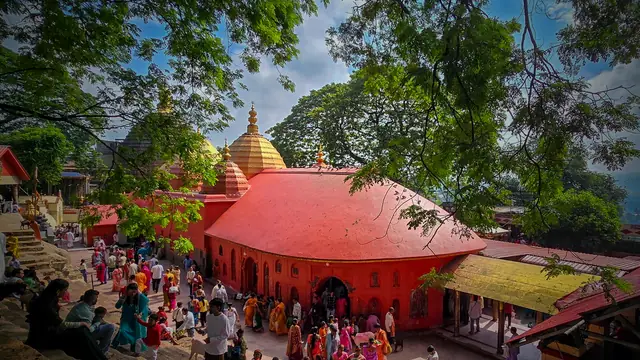
For three days every June, this temple shuts its doors. Legend says a goddess's body fell here. The records say it was destroyed, and rebuilt in fifteen sixty five. This is the Kamakhya Temple, in Assam.
हर जून, तीन दिन के लिए, ये मंदिर अपने दरवाज़े बंद कर लेता है। कथा कहती है कि यहाँ एक देवी का शरीर गिरा। रिकॉर्ड्स कहते हैं, ये मंदिर टूटा, और पंद्रह सौ पैंसठ में फिर बना। ये है असम का कामाख्या मंदिर।
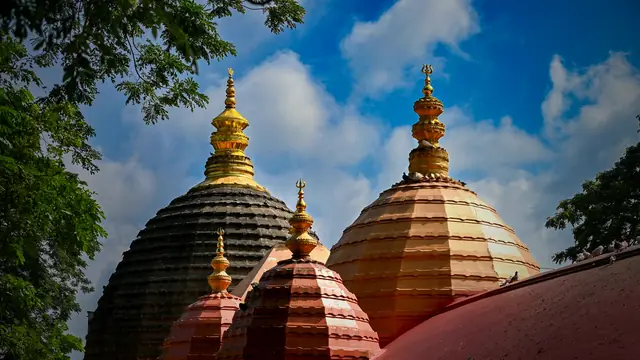
The temple stands on Nilachal Hill in Guwahati, the largest city of Assam. It is one of the oldest and most revered centres of Tantric worship in India, and one of the most important of the Shakti Peethas, the great shrines of the goddess.
ये मंदिर असम के सबसे बड़े शहर गुवाहाटी में, नीलाचल पहाड़ी पर है। ये भारत में तांत्रिक पूजा के सबसे पुराने और पूजनीय केंद्रों में से एक है, और देवी के सबसे अहम शक्तिपीठों में गिना जाता है।
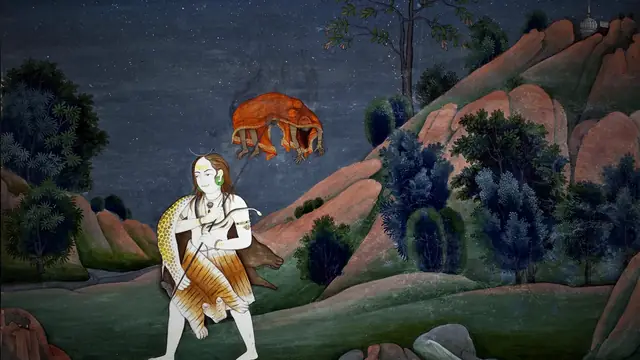
Its story begins with a legend. The goddess Sati, wife of Lord Shiva, gave up her life after her father insulted her husband. Overwhelmed with grief, Shiva carried her body and began the tandava, the dance of destruction, and parts of her body fell across the land.
इसकी कहानी एक कथा से शुरू होती है। भगवान शिव की पत्नी, देवी सती ने, पिता के हाथों पति का अपमान होने पर अपने प्राण त्याग दिए। शोक में डूबे शिव उनका शरीर उठाकर तांडव, यानी विनाश का नृत्य करने लगे, और सती के अंग धरती पर जगह-जगह गिरे।
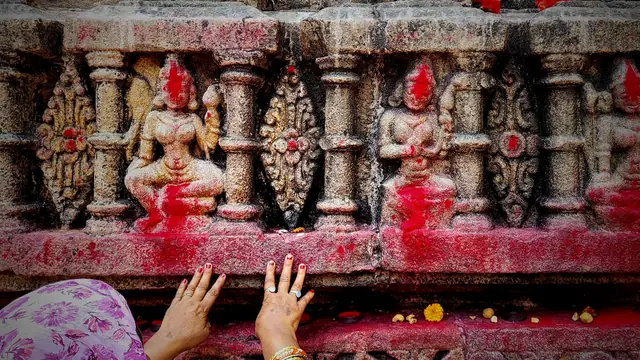
According to an ancient text called the Kalika Purana, Kamakhya is the place where Sati's yoni, her womb, fell to earth. That is why the goddess here is worshipped as the source of creation itself.
कालिका पुराण नाम के एक प्राचीन ग्रंथ के मुताबिक़, कामाख्या वो जगह है जहाँ सती की योनि, यानी उनका गर्भ, धरती पर गिरा। इसीलिए यहाँ देवी को सृष्टि के मूल स्रोत के रूप में पूजा जाता है।
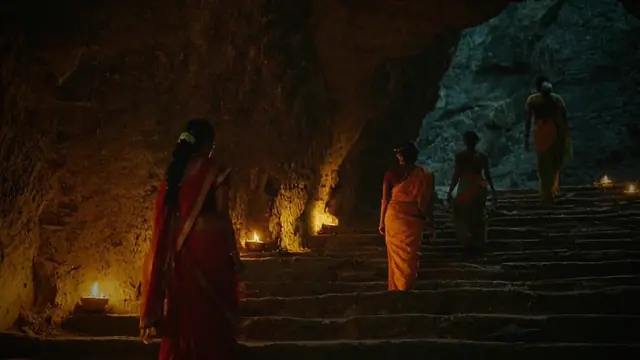
Inside the temple, there is no statue. Devotees descend narrow stone steps into a small, dark chamber below the ground. There, a natural cleft in the rock, shaped like a yoni, is kept constantly wet by an underground spring. This stone is worshipped as the goddess.
मंदिर में कोई मूर्ति नहीं है। श्रद्धालु पत्थर की संकरी सीढ़ियों से ज़मीन के नीचे एक छोटे, अँधेरे कक्ष में उतरते हैं। वहाँ चट्टान में योनि के आकार की एक प्राकृतिक दरार है, जिसे नीचे बहता झरना हमेशा गीला रखता है। इसी पत्थर को देवी मानकर पूजा जाता है।
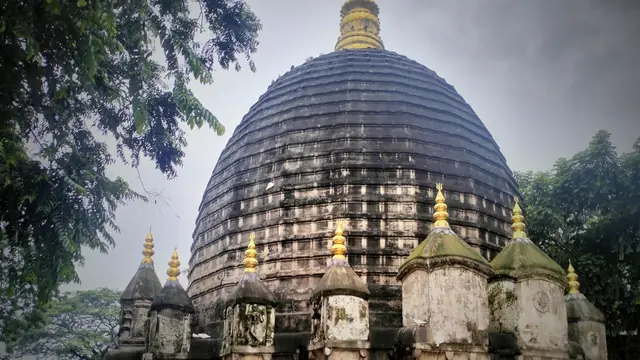
The Kalika Purana praises Kamakhya as the yielder of all desires, and the giver of liberation. For centuries, seekers and Tantric practitioners have travelled here from across India.
कालिका पुराण कामाख्या को सारी मनोकामनाएँ पूरी करने वाली, और मोक्ष देने वाली कहता है। सदियों से साधक और तांत्रिक पूरे भारत से यहाँ आते रहे हैं।
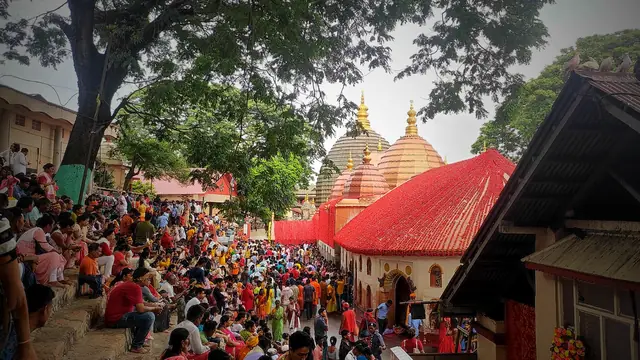
But the temple is most famous for one festival, the Ambubachi Mela. Every year in June, during the monsoon, the temple closes for three days. The goddess is believed to be going through her yearly menstruation, and all worship is paused.
लेकिन ये मंदिर सबसे ज़्यादा एक त्योहार के लिए जाना जाता है, अंबुबाची मेला। हर जून, मानसून के दौरान, मंदिर तीन दिन बंद रहता है। माना जाता है कि देवी अपने सालाना मासिक धर्म से गुज़रती हैं, और सारी पूजा रोक दी जाती है।

Traditionally, during these days, many farmers in Assam also pause their ploughing, as a mark of respect for the earth, which is believed to be resting too.
परंपरा से, इन दिनों में असम के कई किसान भी हल चलाना रोक देते हैं, धरती के सम्मान में, क्योंकि माना जाता है कि धरती भी आराम कर रही है।
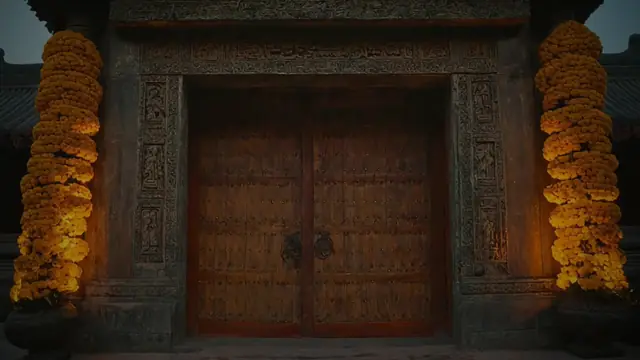
On the fourth day, after rituals of purification, the doors open again. Devotees receive holy water and pieces of red cloth as prasad, which are believed to carry the blessing of the goddess.
चौथे दिन, शुद्धि की रस्मों के बाद, दरवाज़े फिर खुलते हैं। श्रद्धालुओं को प्रसाद में पवित्र जल और लाल कपड़े के टुकड़े मिलते हैं, जिनमें देवी का आशीर्वाद माना जाता है।
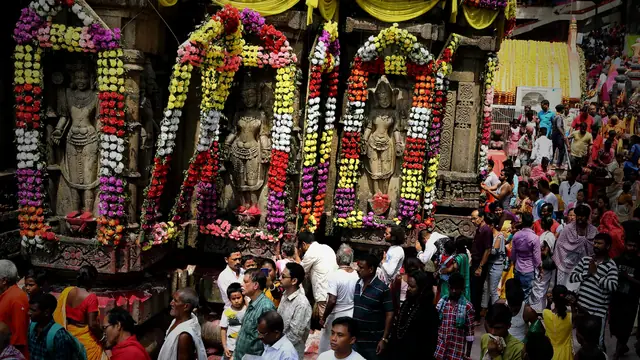
The festival draws enormous crowds. For the Ambubachi Mela of two thousand twenty five, officials in Assam expected close to one million devotees. Some even call it the Maha Kumbh of the East.
इस त्योहार में भारी भीड़ उमड़ती है। दो हज़ार पच्चीस के अंबुबाची मेले में, असम के अधिकारियों को क़रीब दस लाख श्रद्धालुओं की उम्मीद थी। कुछ लोग इसे पूरब का महाकुंभ भी कहते हैं।
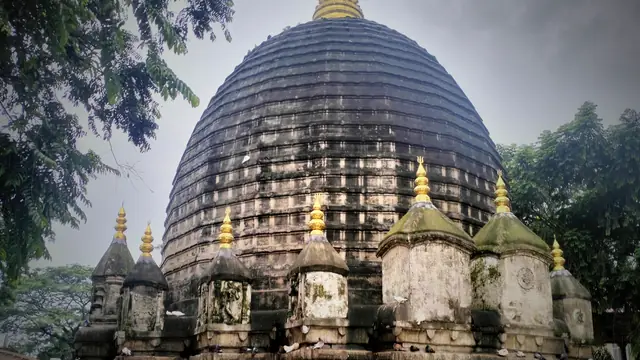
The temple has a long and dramatic history. It was destroyed in the late fifteenth century, and later restored. In fifteen sixty five, the Koch king Nara Narayan completed its reconstruction, and the Ahom kings of Assam later added to it.
इस मंदिर का इतिहास लंबा और नाटकीय है। पंद्रहवीं सदी के आख़िर में ये टूट गया था, और बाद में फिर बना। पंद्रह सौ पैंसठ में कोच राजा नरनारायण ने इसका पुनर्निर्माण पूरा करवाया, और बाद में असम के अहोम राजाओं ने इसमें और जोड़ा।
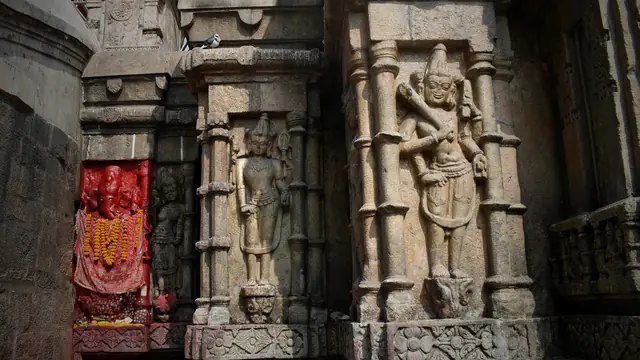
In many places, menstruation is still treated as something to hide. But at Kamakhya, it is celebrated as a sacred power, the power that gives life to the world.
कई जगह मासिक धर्म को आज भी छिपाने की चीज़ माना जाता है। लेकिन कामाख्या में इसे एक पवित्र शक्ति की तरह मनाया जाता है, वो शक्ति जो दुनिया को जीवन देती है।
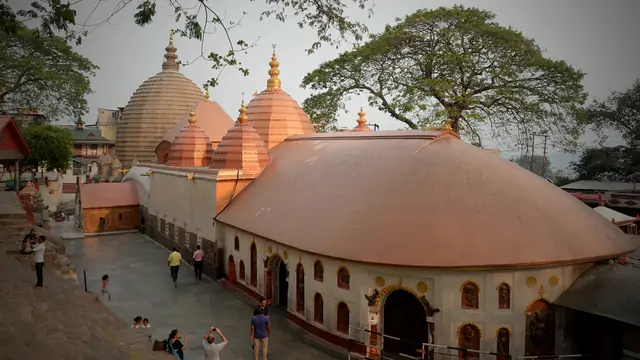
A goddess without an idol, and a festival that honours the cycle of life. And next time, we go to Mehandipur Balaji in Rajasthan, a temple where people come seeking relief from what they believe are evil spirits.
एक देवी, जिनकी कोई मूर्ति नहीं, और एक त्योहार, जो जीवन के चक्र का सम्मान करता है।