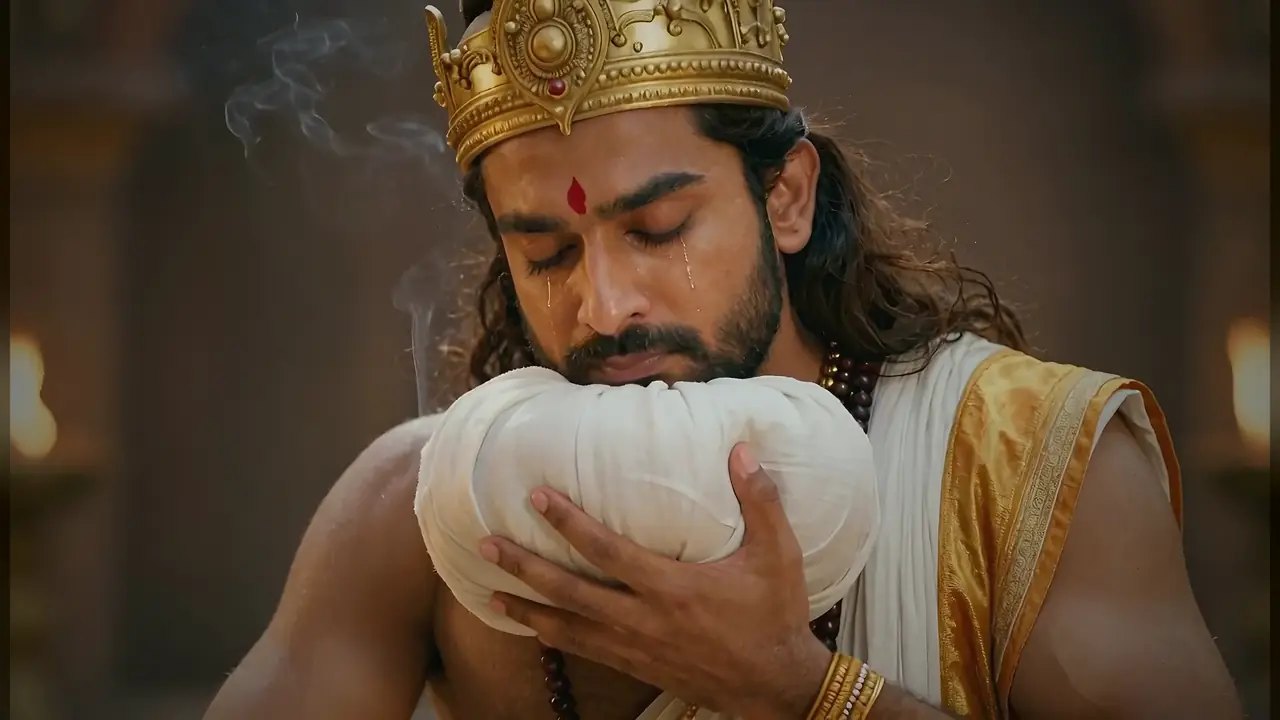
एक श्मशान में, एक देवी ने एक मृत नवजात को फिर से जीवित कर दिया। और फिर, वे उसे लेकर आकाश में जाने को तैयार हो गईं, पिता से दूर। यह छठ पूजा पर सुनाई जाने वाली कथा है, उन देवी की, जिन्हें बिहार छठी मैया कहता है। पिता एक राजा थे। पुत्र बिना साँस के जन्मा, तो वे उसे श्मशान ले गए, प्राण त्यागने को तैयार। तो ये देवी कौन हैं? बालक को क्यों ले गईं? उत्तर पुराण देते हैं, स्वयं देवी के शब्दों में।
A goddess once brought a dead newborn back to life in a cremation ground, and then made ready to carry him into the sky, away from his father. This is the katha told at Chhath Puja, the story of the goddess Bihar calls Chhathi Maiya. The father was a king. When his son was born without breath, he carried him to the cremation ground, ready to give up his own life. So who is the goddess? And why did she take the child? The Puranas give the answer, in her own words.
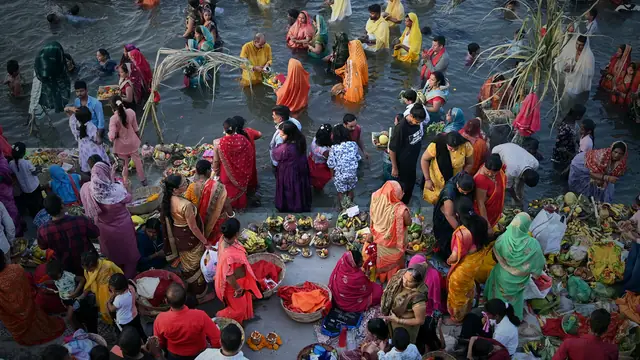
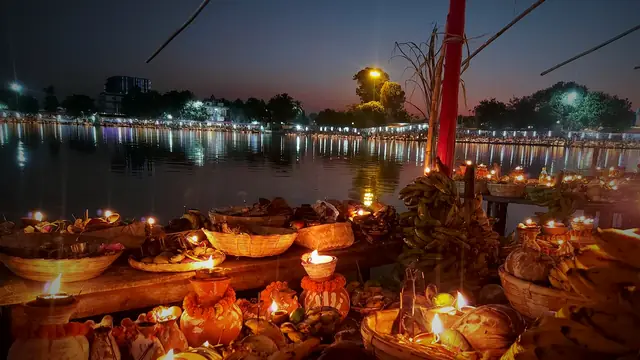
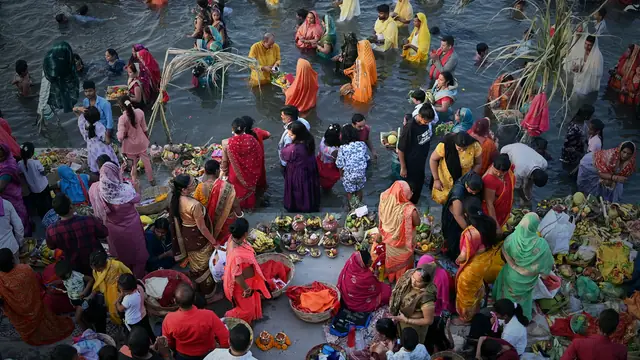
हर कार्तिक, दिवाली के कुछ दिन बाद, बिहार, झारखंड, पूर्वी उत्तर प्रदेश और नेपाल की तराई में, नदी किनारे सूर्यास्त से पहले भर जाते हैं। छठ व्रती बिना अन्न, बिना एक बूँद पानी, नदी में खड़े होकर डूबते सूर्य को अर्घ्य देते हैं। यह कठिन व्रत, सबसे बढ़कर, वे अपनी संतान के लिए रखते हैं। इसकी वजह शुरू होती है एक राजा से, जो विवाह ही नहीं करना चाहते थे।
Every Kartika, a few days after Diwali, the riverbanks of Bihar, Jharkhand, eastern Uttar Pradesh and Nepal's Terai fill before sunset. Those who keep the Chhath vrat stand in the river without food, without even a drop of water, and offer arghya to the setting sun. Above all, they keep this hard fast for their children. And the reason begins with a king who never wanted to marry at all.
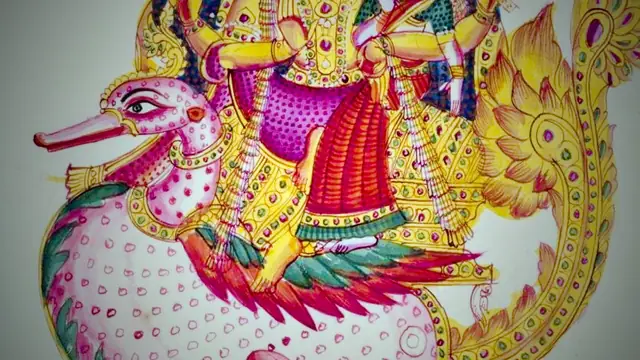
ब्रह्मवैवर्त पुराण और देवी भागवत, उनकी कथा लगभग शब्दशः एक-सी कहते हैं। प्रियव्रत, स्वायंभुव मनु, यानी पहले मनु के पुत्र थे। उन्हें तपस्या प्रिय थी। वे बस योगी का जीवन चाहते थे। पर भगवान ब्रह्मा ने विवाह की आज्ञा दी, और उन्होंने मानी। और फिर, बहुत, बहुत समय तक, कोई संतान नहीं हुई।
The Brahmavaivarta Purana and the Devi Bhagavata tell his story almost word for word. Priyavrata, son of Svayambhuva Manu, the first Manu, loved tapasya. All he wanted was a yogi's life. But Lord Brahma commanded him to marry, and he obeyed. And then, for a long, long time, no child came.
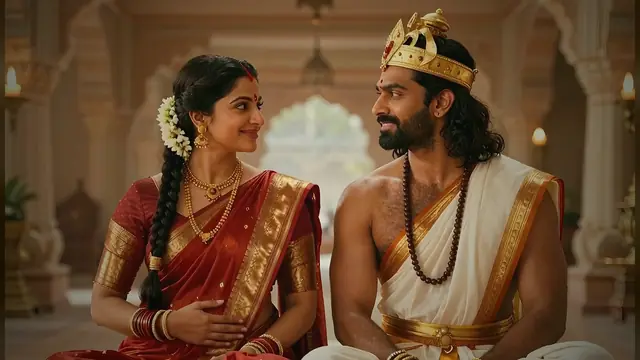
तब ऋषि कश्यप ने पुत्रेष्टि यज्ञ किया, यानी पुत्र के लिए यज्ञ, और उसका पवित्र प्रसाद, चरु, रानी मालिनी को दिया। यज्ञ सफल हुआ। रानी गर्भवती हुईं। पर शास्त्र एक ऐसी बात भी बताता है, जिसे सुनकर आप ठिठक जाएँगे। मालिनी ने वह गर्भ, देवताओं के बारह वर्षों तक धारण किया।
So the sage Kashyapa performed the Putreshti yajna, the sacrifice for a son, and gave its sacred offering, the charu, to the queen, Malini. The yajna worked. The queen was with child. But the scripture adds a detail that stops you. Malini carried that child for twelve years of the gods.
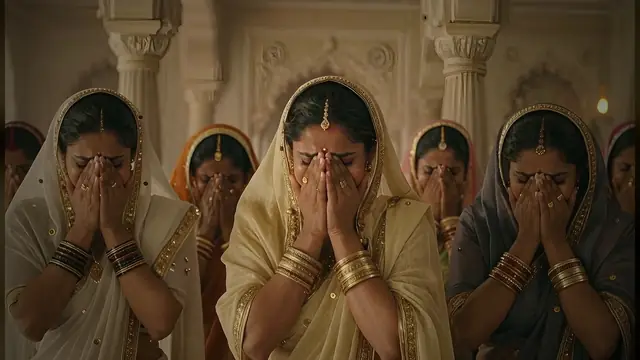
आख़िरकार, पुत्र जन्मा। सोने जैसा। हर अंग संपूर्ण। पर उसकी आँखें ऊपर चढ़ी हुई थीं। और साँस नहीं चल रही थी। राजकुमार मृत जन्मा था। परिवार की स्त्रियाँ रो पड़ीं। उसकी माँ, मालिनी, शोक से मूर्छित हो गईं।
At last, the son was born. Golden. Every limb perfect. But his eyes were turned upward. And he did not breathe. The prince was born dead. The women of the family wept. His mother, Malini, fell senseless with grief.
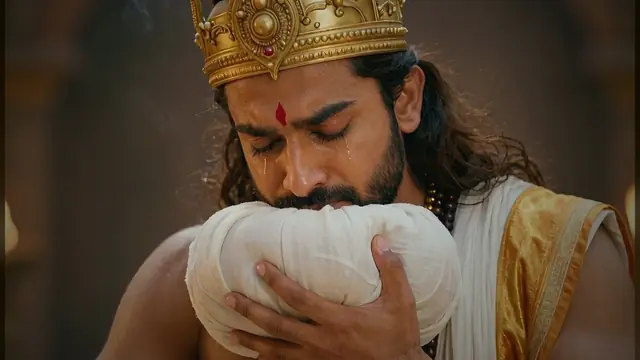
राजा पुत्र को उठाकर श्मशान ले गए। प्रियव्रत योगीराज थे, जिन्हें किसी भी चीज़ को थामे नहीं रहना था। अब वे एक छोटे-से बालक को सीने से थामे थे, और उसे छोड़ नहीं पा रहे थे। शास्त्र कहता है, शोक में वे अपना सारा योग भूल गए। वे प्राण त्यागने को तैयार थे। और तभी, उन्होंने ऊपर देखा।
The king lifted his son and carried him to the cremation ground. Priyavrata was a lord of yogis, a man who was meant to hold on to nothing. Now he held one small child against his chest, and he could not let go. In his grief, the scripture says, he forgot all his yoga. He was ready to give up his own life. And then he looked up.
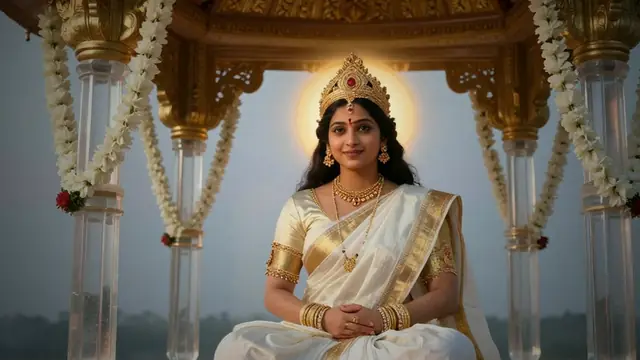
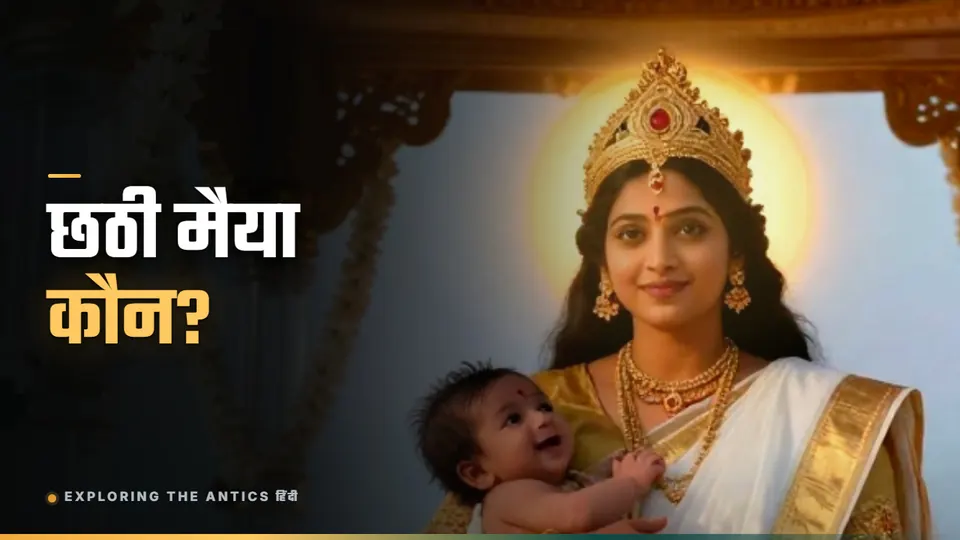
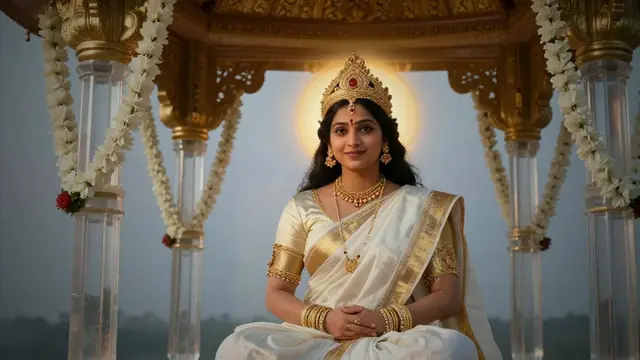
श्मशान के ऊपर एक विमान था, शुद्ध स्फटिक-सा निर्मल, रत्नों, रेशम और मालाओं से सजा। उसमें एक देवी थीं, श्वेत चंपक के फूल-सी गौर, सदा युवा, मुस्कुराती, कृपामयी, गर्मियों के सूर्य-सी तेजस्वी। राजा ने पुत्र को धरती पर रखा, प्रणाम किया, और स्तुति की। फिर वही प्रश्न पूछा, जो हमने पूछा था। हे तेजस्विनी, आप कौन हैं? किसकी पुत्री हैं?
Above the cremation ground was a vimana, clear as pure crystal, hung with jewels, silk and garlands. In it was a goddess, fair as a white champak flower, ever young, smiling and kind, shining like the summer sun. The king laid his son on the ground, bowed, and praised her. Then he asked her the same question we asked. Who are you, radiant one? Whose daughter are you?
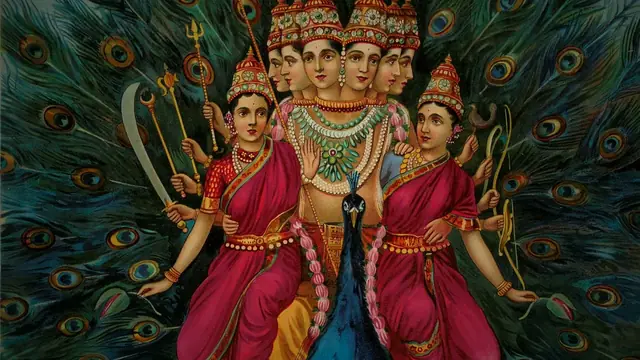
शास्त्र कहता है, बहुत पहले, जब देवता दैत्यों से भयभीत थे, वे उनकी सेना बनीं, और उन्हें विजय दिलाई। इसीलिए वे देवसेना कहलाती हैं, देवताओं की सेना। अब उन्होंने राजा को उत्तर दिया। मैं देवसेना हूँ, भगवान ब्रह्मा के मन से जन्मी। सृष्टिकर्ता ने मुझे स्कंद, भगवान कार्तिकेय को, पत्नी रूप में सौंपा। संसार में मैं षष्ठी कहलाती हूँ। छठी। क्योंकि मैं प्रकृति का छठा अंश हूँ।
Long ago, the scripture says, when the gods were in terror of the demons, she had become their army and given them victory. That is why she is called Devasena, the army of the gods. Now she answered the king. I am Devasena, she said, born from the mind of Lord Brahma. The Creator gave me to Skanda, Lord Kartikeya, as his wife. In the world I am known as Shashthi. The Sixth. Because I am the sixth part of Prakriti.
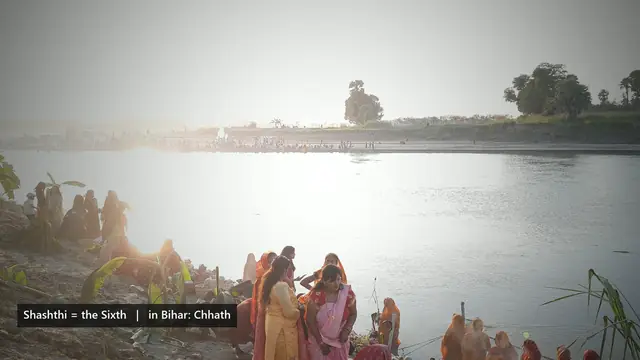
षष्ठी का अर्थ है, छठी। और बिहार में, छठी है, छठ।
Shashthi means the sixth. And in Bihar, the sixth is chhath.
फिर उन्होंने शोक में डूबे राजा से एक कठोर बात कही। सुख और दुःख, बहुत पुत्र या एक भी नहीं, पुत्र की मृत्यु या संतान की लंबी आयु, सब कर्म से होता है। और फिर, उन्होंने उनके पुत्र को बाँहों में ले लिया।
Then she told the grieving king something hard. Joy and sorrow, she said, many sons or none, a son who dies or children who live long, all of it comes from karma. And then she took his son into her arms.
शास्त्र कहता है, उसी क्षण, मानो खेल-खेल में, उन्होंने उसे फिर जीवित कर दिया। सोने-सा बालक मुस्कुरा उठा।
At once, the scripture says, as easily as if it were play, she brought him back to life. The golden child smiled.
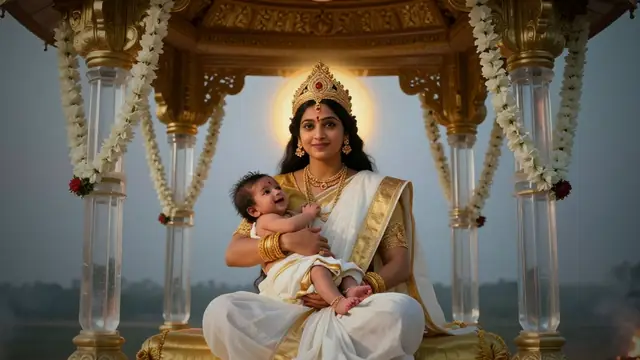
पर उन्होंने बालक लौटाया नहीं। बालक को लिए, वे आकाश में उठने को तैयार हो गईं। राजा पुत्र को एक बार खो चुके थे। अब उसे फिर खोने वाले थे। उनका गला सूख गया। होंठ सूख गए। वे बस एक बार फिर देवी की स्तुति कर सके।
But she did not give him back. Holding the child, she made ready to rise into the sky. The king had already lost his son once. Now he was about to lose him again. His throat went dry. His lips went dry. All he could do was praise her once more.
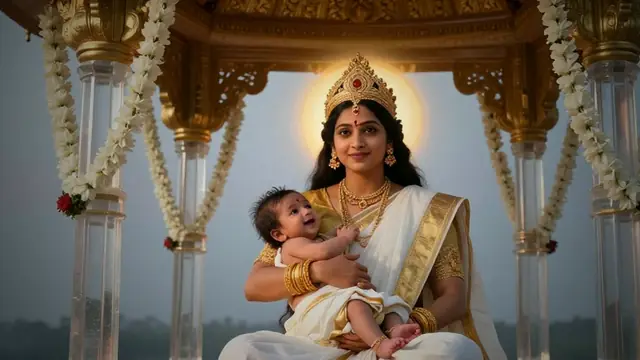
और देवी ने एक शर्त रखी। तीनों लोकों में, हर जगह मेरी पूजा करवाओ, और स्वयं भी करो। तब मैं तुम्हें तुम्हारा पुत्र दूँगी। उसका नाम होगा सुव्रत। वह गुणवान और विद्वान होगा, उसे पिछले जन्म याद रहेंगे, और वह भगवान नारायण का भक्त होगा।
And the goddess gave him one condition. Have my worship done everywhere, in all three worlds, she said, and do it yourself. Then I will give you your son. His name will be Suvrata. He will be good and wise, he will remember his past lives, and he will be devoted to Lord Narayana.
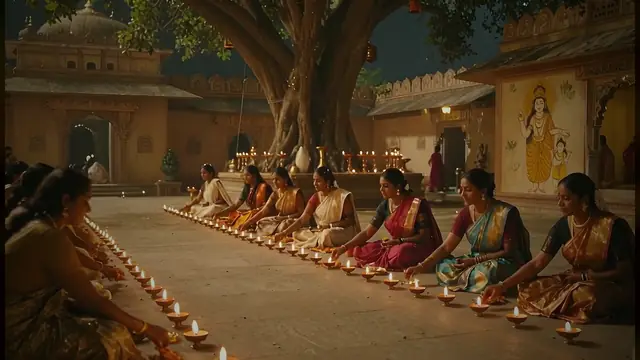
राजा ने वचन दिया। देवी ने बालक उनकी बाँहों में सौंपा, और स्वर्ग लौट गईं। और प्रियव्रत ने वचन निभाया। हर महीने के शुक्ल पक्ष की षष्ठी को, उन्होंने हर जगह षष्ठी देवी का महोत्सव करवाया। हर जन्म के छठे दिन, इक्कीसवें दिन, और जिस दिन बच्चा पहली बार अन्न चखता है, उनकी पूजा होती थी। पर कथा उस महल में ख़त्म नहीं हुई।
The king promised. The goddess placed the child in his arms, and returned to heaven. And Priyavrata kept his word. On the sixth day of the bright half of every month, he held a great festival of Shashthi Devi, everywhere. She was worshipped on the sixth day after every birth, on the twenty-first day, and on the day a child first tasted rice. But the story did not end in that palace.
और वह छठा दिन कभी नहीं गया। बिहार, झारखंड और पूर्वी उत्तर प्रदेश में, आज भी शिशु के छठे दिन को छठी कहते हैं, और आज भी बच्चे के लिए छठी माता पूजी जाती हैं। बिहार की परंपरा मानती है कि छठी मैया यही देवी हैं, वही माँ, जो श्मशान में एक शोकाकुल पिता के पास आई थीं। इसीलिए छठ व्रती, सबसे बढ़कर, एक ही प्रार्थना करते हैं। अपनी संतान के लिए।
And that sixth day never went away. In Bihar, Jharkhand and eastern Uttar Pradesh, a baby's sixth day is still called chhathi, and the Mother of the Sixth is still worshipped for the child. Bihar's tradition holds that Chhathi Maiya is this same goddess, the Mother who came to a grieving father in a cremation ground. That is why those who keep the Chhath vrat pray to her for one thing above all. Their children.
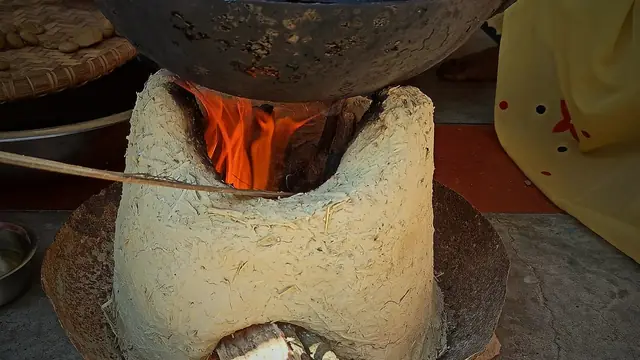
तो कार्तिक में, नहाय-खाय पर वे नदी में स्नान करते हैं। खरना पर गुड़ की खीर बनाते हैं, और उस एक भोजन के बाद लंबा व्रत शुरू होता है, छत्तीस घंटे, बिना पानी। बाँस के सूप में ठेकुआ और फल सजते हैं। सूर्यास्त पर वे पानी में खड़े होकर डूबते सूर्य को अर्घ्य देते हैं। और भोर से पहले लौटकर, पानी में पहली किरण की प्रतीक्षा करते हैं।
So in Kartika, they bathe in the river on Nahay-Khay. On Kharna they cook kheer with jaggery, and after that one meal the long fast begins, thirty-six hours without water. Thekua and fruit are laid in bamboo soops. At sunset they stand in the water and offer arghya to the setting sun. And before dawn they return, and wait in the water for the first light.
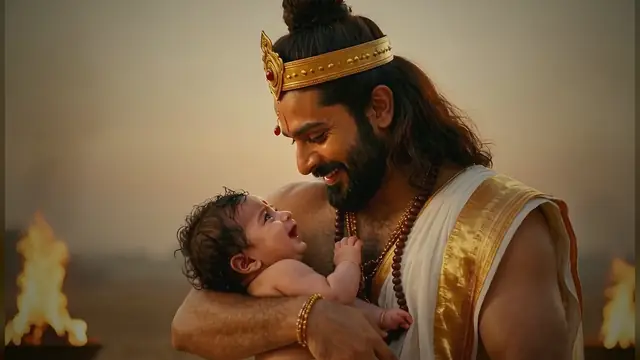
जिस राजा को कुछ भी थामे नहीं रहना था, उन्होंने एक नन्हे बालक को थामे रखा, और माँ उनके पास आईं। हर छठ पर, किसी नदी में, कोई ठीक इसी तरह थामे हुए है।
A king who was meant to hold on to nothing held on to one small child, and the Mother came to him. Every Chhath, in a river somewhere, someone is holding on the same way.
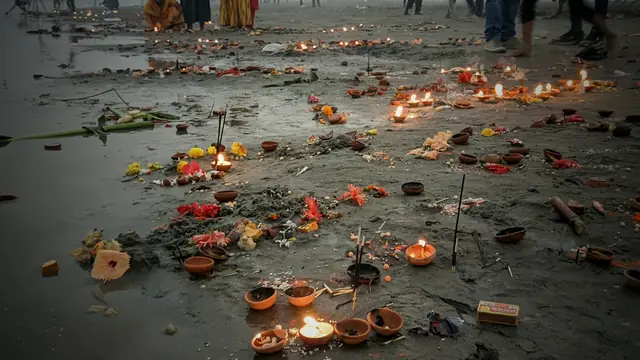
इस छठ पर, जब सूरज पानी को छुए और सूप उठाया जाए, तो याद कीजिए श्मशान वाले उस पिता को, और उस माँ को, जो उनके पास आईं। छठ पूजा की हार्दिक शुभकामनाएँ। जय छठी मैया।
This Chhath, when the sun touches the water and the soop is lifted, remember the father in the cremation ground, and the Mother who came to him. Happy Chhath Puja. Jai Chhathi Maiya.
यही है देव उठनी की कथा।
That is Dev Uthani's story.