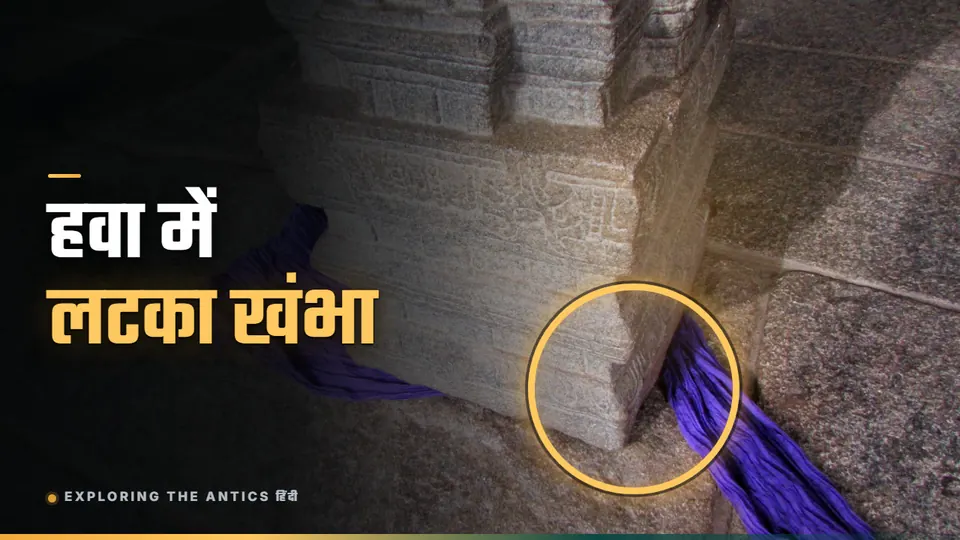
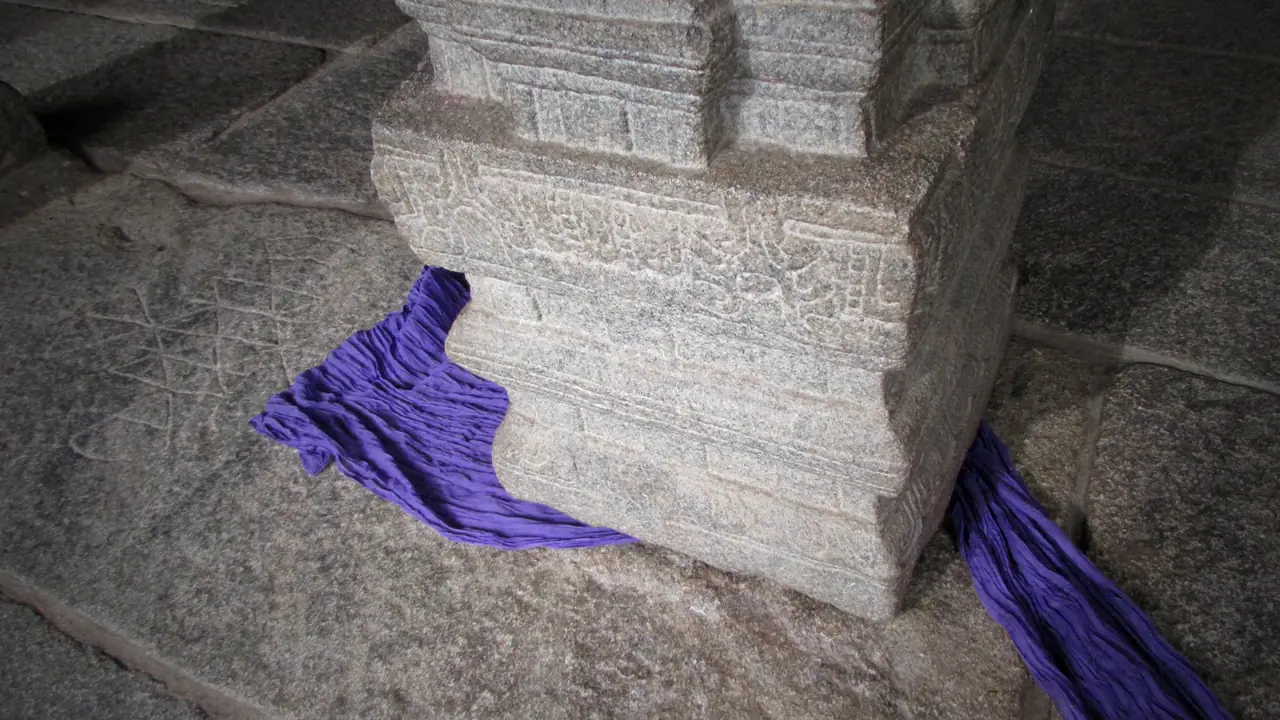
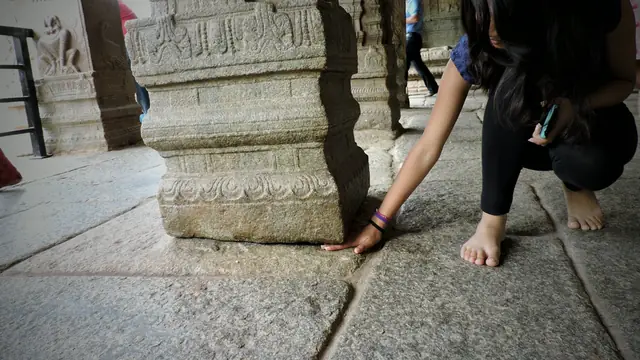
इस मंडप का एक खंभा ज़मीन को मुश्किल से छूता है। नीचे से कपड़ा निकल जाता है। कुछ कहते हैं, इसे जानबूझकर लटकाया गया, कुछ कहते हैं, ये समय के साथ खिसका। ये है लेपाक्षी का लटकता खंभा।
One pillar in this hall barely touches the floor. A cloth slides right under it. Some say its builders made it hang on purpose. Others say it slipped over time. This is the hanging pillar of Lepakshi.
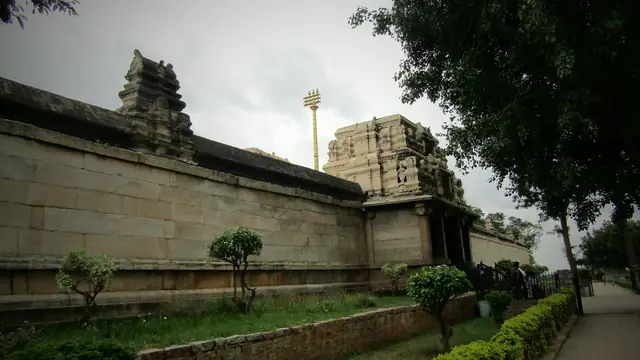
वीरभद्र मंदिर आंध्र प्रदेश के श्री सत्य साई ज़िले के लेपाक्षी क़स्बे में है, बेंगलुरु से क़रीब एक सौ बीस किलोमीटर दूर। ये ग्रेनाइट की एक नीची पहाड़ी पर बना है, जिसका आकार कछुए जैसा है, और जो कूर्म शैल कहलाती है।
The Veerabhadra Temple stands in the town of Lepakshi, in the Sri Sathya Sai district of Andhra Pradesh, about one hundred and twenty kilometres from Bengaluru. It is built on a low granite hill shaped like a tortoise, known as Kurma Saila.
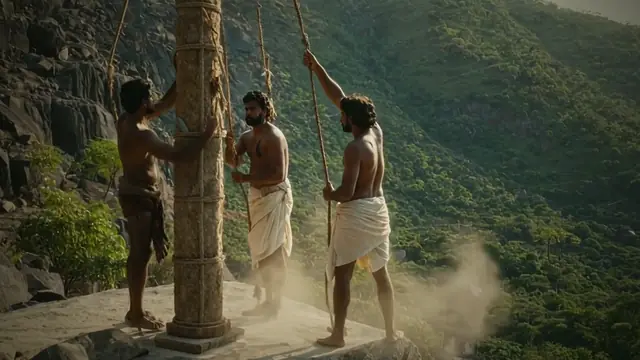
ये मंदिर क़रीब पंद्रह सौ तीस में दो भाइयों, विरुपन्ना और वीरन्ना ने बनवाया था, जो राजा अच्युत देव राय के समय महान विजयनगर साम्राज्य में अधिकारी थे।
The temple was built around fifteen thirty by two brothers, Virupanna and Viranna, who served as officials of the great Vijayanagara Empire during the reign of King Achyuta Deva Raya.
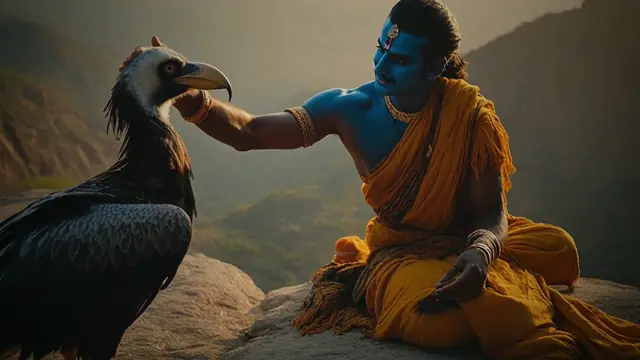
क़स्बे के नाम के पीछे रामायण की एक कथा है। महान पक्षी जटायु ने सीता को बचाने के लिए रावण से युद्ध किया, और घायल होकर यहीं गिरे। भगवान राम ने उन्हें पाकर कहा, ले पक्षी, यानी तेलुगु में, उठो, हे पक्षी। नाम के बारे में दूसरी स्थानीय कहानियाँ भी हैं।
The town's name comes with a legend from the Ramayana. The great bird Jatayu fought Ravana to save Sita, and fell wounded at this spot. When Lord Rama found him, he said, Le Pakshi, which means, rise, O bird, in Telugu. Other local stories offer different origins for the name.
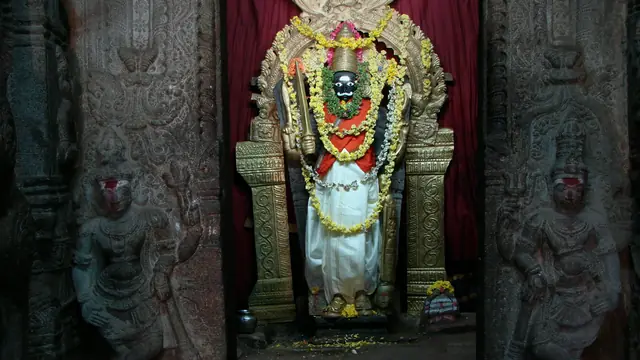
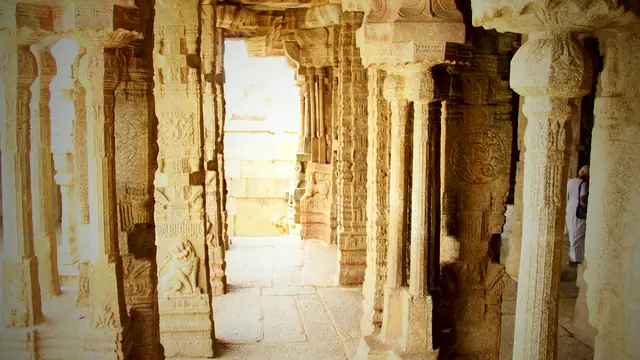
ये मंदिर वीरभद्र को समर्पित है, जो भगवान शिव का एक उग्र रूप हैं। इसके मंडप नक़्क़ाशीदार खंभों से भरे हैं, जिन पर देवता, नर्तक, संगीतकार और पौराणिक जीव बने हैं।
The temple is dedicated to Veerabhadra, a fierce form of Lord Shiva. Its halls are filled with richly carved pillars, showing gods, dancers, musicians, and mythical creatures.
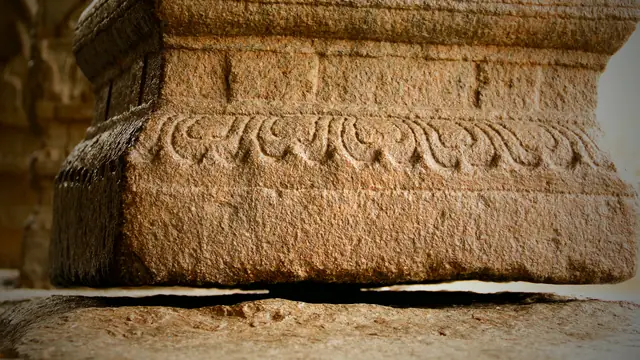
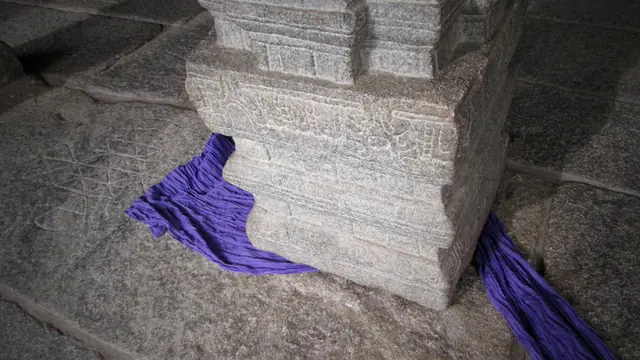
और इन्हीं के बीच है मशहूर लटकता खंभा। इसके तले और फ़र्श के बीच इतनी जगह है कि कपड़ा या काग़ज़ निकल जाए। आज ये खंभा थोड़ा खिसका हुआ है, और सिर्फ़ एक तरफ़ से ज़मीन को छूता है।
And among them stands the famous hanging pillar. There is a gap between its base and the floor, wide enough to pass a cloth or a sheet of paper through. Today, the pillar is slightly shifted, and touches the ground on only one side.
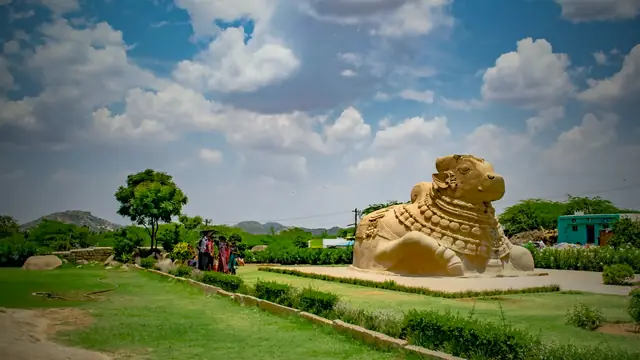
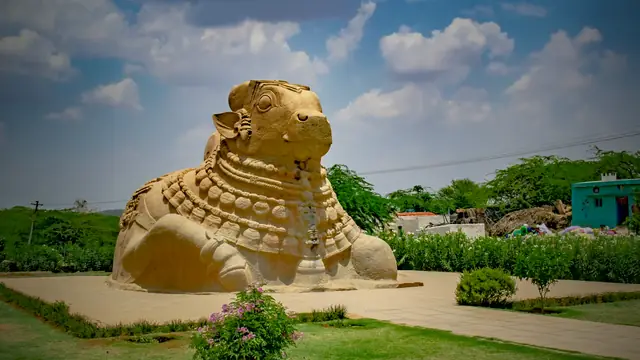
लेपाक्षी में और भी अजूबे हैं। मंदिर से कुछ ही दूरी पर एक विशाल नंदी है, शिव का पवित्र बैल, जो पत्थर के एक ही टुकड़े से तराशा गया है। ये क़रीब छह मीटर ऊँचा और नौ मीटर लंबा है, और कहा जाता है कि ये अपनी तरह के दुनिया के सबसे बड़े नंदियों में से एक है।
Lepakshi holds other wonders too. A short walk from the temple lies a giant Nandi, Shiva's sacred bull, carved from a single block of stone. It is about six metres tall and nine metres long, and is said to be one of the largest of its kind in the world.
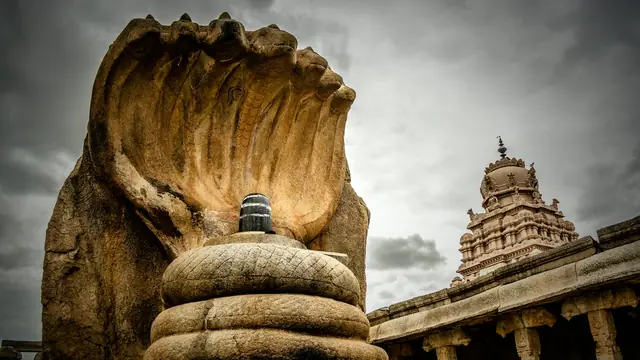
पास ही, ग्रेनाइट की एक बड़ी चट्टान को सात फनों वाले नाग का रूप दिया गया है, जो एक शिवलिंग पर छतरी की तरह फैला है।
Nearby, a huge granite boulder has been carved into a coiled serpent with seven hoods, spreading like an umbrella over a Shiva lingam.
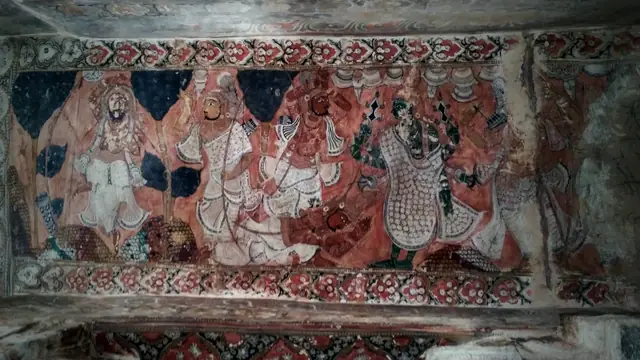
ऊपर देखिए, तो छतें विजयनगर काल की चित्रकारी से ढकी हैं। एक विशाल चित्र में ख़ुद वीरभद्र दिखाए गए हैं।
Look up, and the ceilings are covered with paintings from the Vijayanagara era. One huge painting shows Veerabhadra himself.
एक मशहूर कहानी कहती है कि बीसवीं सदी की शुरुआत में, एक ब्रिटिश इंजीनियर ने रहस्य जानने के लिए खंभे को हिलाने की कोशिश की। कहते हैं, ऐसा करते ही बाक़ी खंभे और छत भी खिसकने लगे, और वो रुक गया। कहानी हर बार थोड़ी अलग होती है, पर हर आने वाले को सुनाई ज़रूर जाती है।
A popular story says that in the early twentieth century, a British engineer tried to move the pillar to discover its secret. As he did, the other pillars and the roof are said to have shifted, and he stopped. The details differ from one telling to another, but the story is told to every visitor.
खंभा लटका कैसे, इस पर आज भी बहस है। कुछ मानते हैं कि ये कारीगरों के हुनर का जानबूझकर किया प्रदर्शन था, और कुछ मानते हैं कि ये समय के साथ खिसक गया। जो भी हो, मंडप आज भी खड़ा है, क़रीब पाँच सौ साल बाद।
How the pillar came to hang remains a subject of debate. Some believe it was a deliberate display of the builders' skill, while others think it shifted over time. Either way, the hall still stands, nearly five hundred years later.
चट्टान में एक विशाल पदचिह्न भी है, जिसे श्रद्धालु सीता का मानते हैं। आज ये मंदिर और इसका विशाल नंदी, यूनेस्को विश्व धरोहर के लिए भारत की संभावित सूची में हैं।
There is also a giant footprint in the rock, said by devotees to belong to Sita. Today, the temple and its great Nandi are on India's tentative list for UNESCO World Heritage status.
एक लटकता खंभा, एक ही पत्थर से बना बैल, और एक पक्षी जिससे उठने को कहा गया।
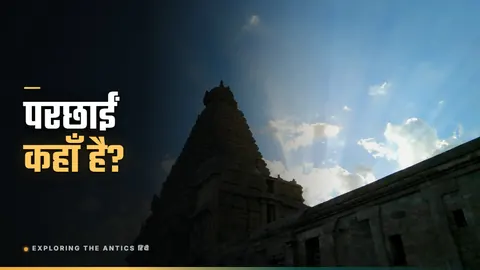
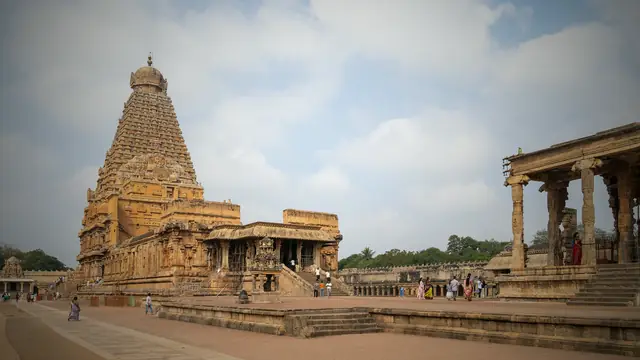
A pillar that hangs, a bull carved from one stone, and a bird that was told to rise. And next time, we go to the great Brihadeeswarar Temple in Thanjavur, a thousand year old giant, and the famous claim about its shadow.