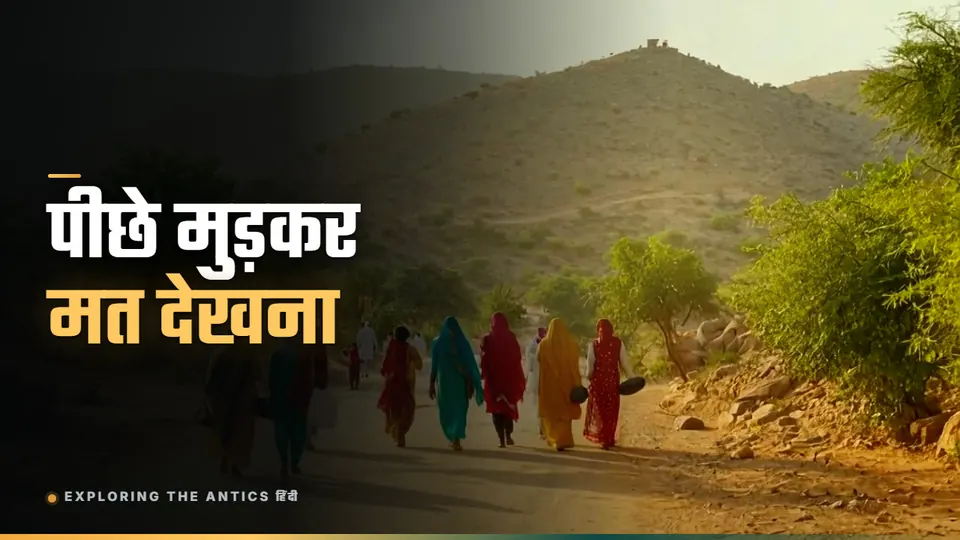
यहाँ इतने लोगों से क्यों कहा जाता है, पीछे मुड़कर मत देखना? श्रद्धालु मानते हैं कि यहाँ बालाजी की कृपा से बुरी आत्माएँ भागती हैं, और संकट कटते हैं। डॉक्टरों ने भी यहाँ आने वालों का अध्ययन किया है। ये है राजस्थान का मेहंदीपुर बालाजी।
Why are so many visitors here told never to look back? Believers say spirits are driven out here. In nineteen eighty one, psychiatrists studied a hundred visitors, and found something else. This is Mehandipur Balaji, in Rajasthan.
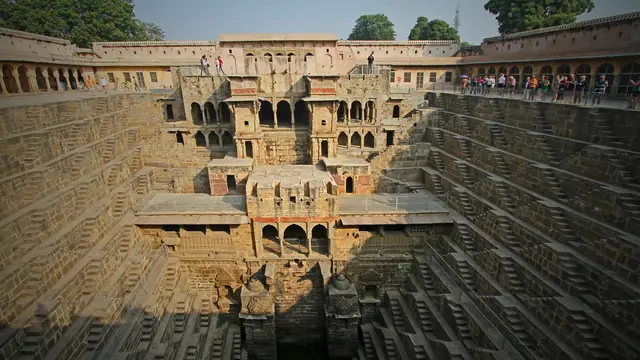
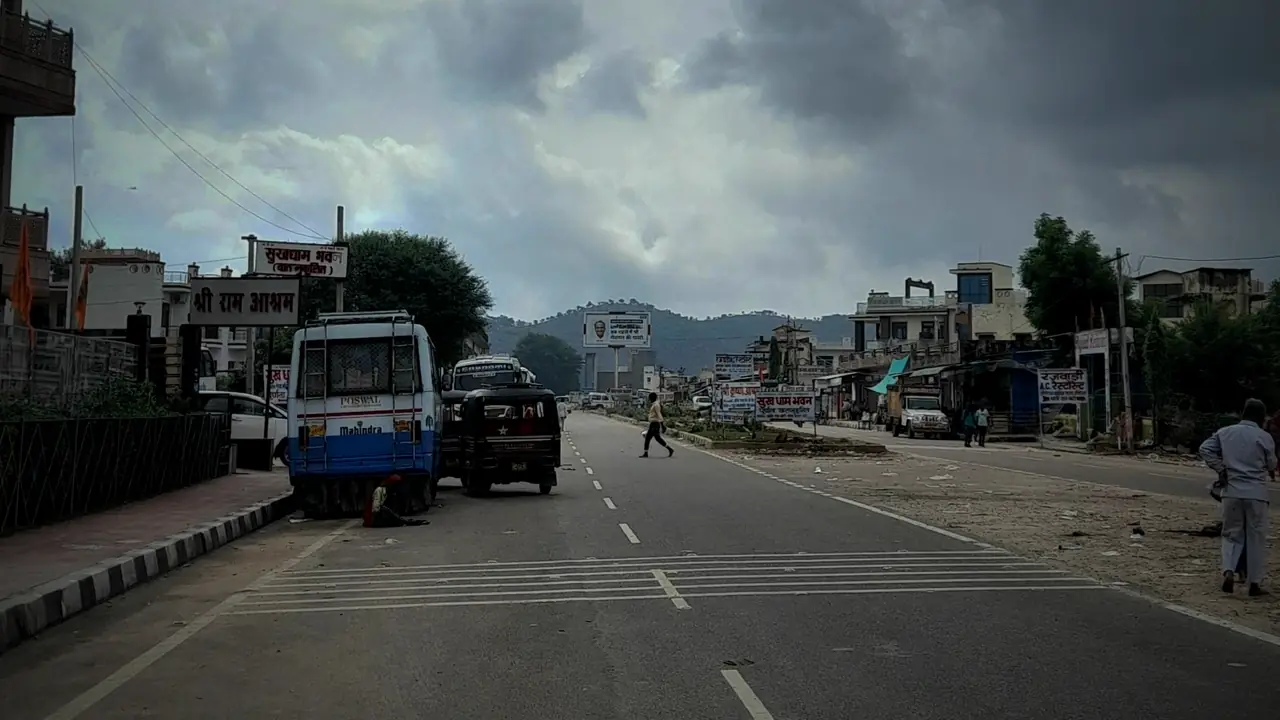
ये मंदिर राजस्थान के दौसा ज़िले के मेहंदीपुर क़स्बे में है। ये भगवान हनुमान के बालाजी रूप को समर्पित है, ये नाम अक्सर उनके बाल रूप के लिए लिया जाता है।
The temple stands in the town of Mehandipur, in the Dausa district of Rajasthan. It is dedicated to Lord Hanuman in the form of Balaji, the name often used for his childhood form.
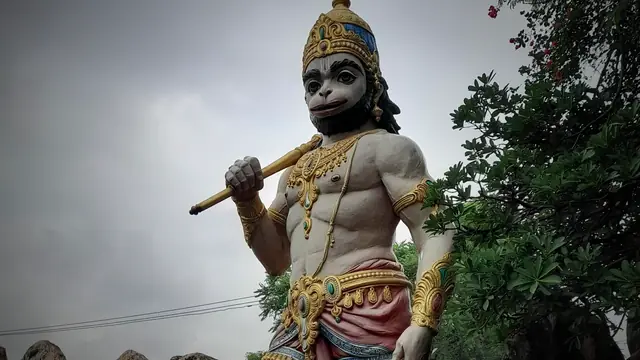
यहाँ बालाजी अकेले नहीं पूजे जाते। उनके साथ दो और देवता हैं। प्रेतराज सरकार, जिन्हें आत्माओं का राजा माना जाता है, जो न्याय करते हैं। और भैरव, जिन्हें यहाँ कोतवाल कप्तान कहते हैं, यानी वो कप्तान जो बालाजी के आदेश पूरे करते हैं।
Balaji is not worshipped alone here. Beside him are two other deities. Pretraj Sarkar, believed to be the king of spirits, who sits in judgement. And Bhairav, known here as the Kotwal Kaptan, the captain who carries out Balaji's commands.

ये मंदिर ख़ासकर अनुष्ठानों से इलाज के लिए मशहूर है। श्रद्धालु मानते हैं कि आत्माओं से, या पीछा न छोड़ने वाले दुर्भाग्य से परेशान लोगों को यहाँ बालाजी की कृपा से राहत मिलती है।
The temple is famous for one thing above all, ritual healing. Devotees believe that people troubled by spirits, or by misfortune that will not go away, can find relief here through Balaji's grace.
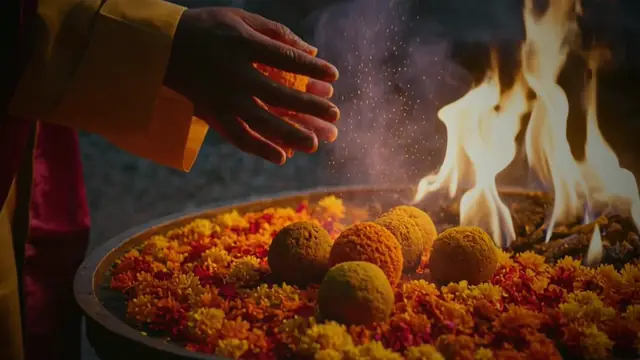
सबसे आम रस्म को दरख़ास्त कहते हैं। लोग छोटे-छोटे लड्डू ख़रीदकर पुजारियों को देते हैं, जो उन्हें पवित्र अग्नि में अर्पित करते हैं, ताकि बालाजी को पता चले कि भक्त आया है और मदद माँग रहा है। यही प्रेतराज सरकार और भैरव के सामने भी किया जाता है।
The most common ritual is called the darkhast. Visitors buy small sweets called laddoos and hand them to the priests, who offer them into the sacred fire, to tell Balaji that the visitor has arrived and is asking for help. The same is done before Pretraj Sarkar and Bhairav.
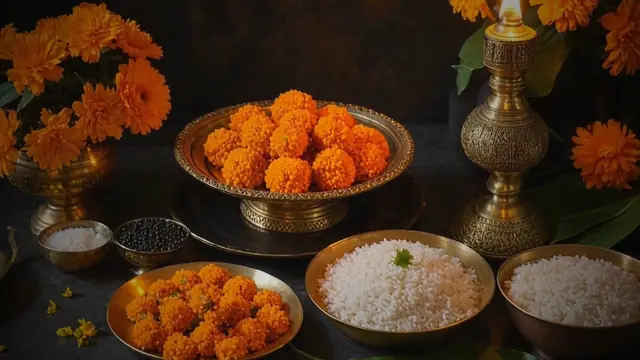
जिनकी परेशानियाँ ज़्यादा गंभीर हैं, उनके लिए एक बड़ा चढ़ावा होता है, अर्ज़ी, यानी एक औपचारिक अर्ज़, जो लड्डू, दाल और उबले चावल से बनती है।
For those with more serious troubles, there is a larger offering called the arzi, a formal petition, made with laddoos, lentils, and boiled rice.
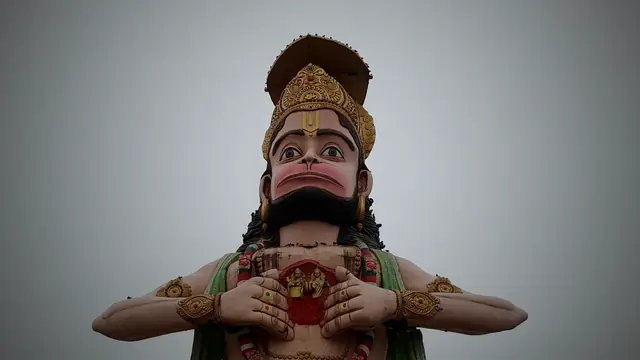
ये मंदिर अपने सख़्त नियमों के लिए भी जाना जाता है। अंदर कुछ न खाएँ, कोई प्रसाद या खाना घर न ले जाएँ। और कई लोगों को सलाह है, जाते समय पीछे मुड़कर न देखें।
The temple is also known for its strict customs. Visitors are told not to eat inside, and not to carry any prasad or food back home. And many are advised not to look back as they leave.
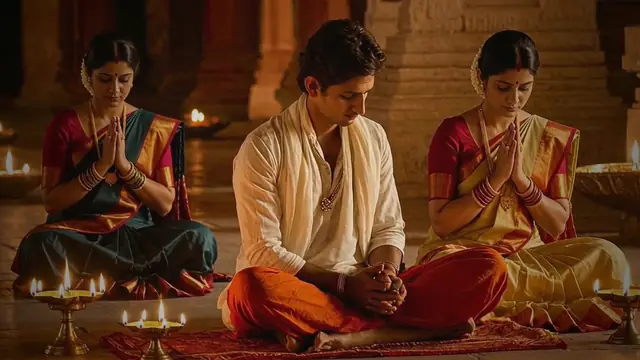
अंदर के दृश्य तीव्र हो सकते हैं। कुछ लोग झूमते हैं, चिल्लाते हैं, या ट्रांस में चले जाते हैं, और परिवार पास बैठकर प्रार्थना करता है। श्रद्धालुओं के लिए यही वो पल है जब आत्मा निकाली जाती है।
Inside, the scenes can be intense. Some visitors sway, shout, or appear to fall into a trance, while their families pray beside them. To believers, this is the moment when a spirit is being driven out.
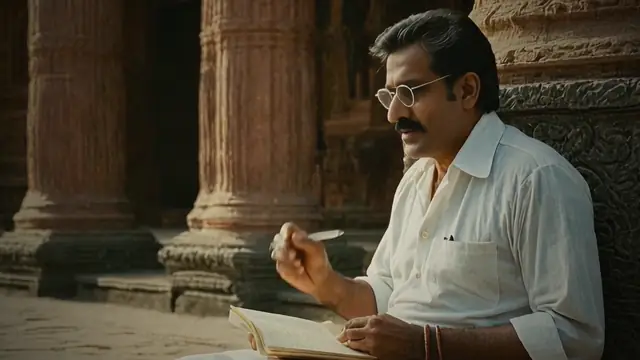
इस धाम पर डॉक्टरों ने भी ध्यान दिया है। उन्नीस सौ इक्यासी में, मनोचिकित्सकों ने इंडियन जर्नल ऑफ़ साइकियाट्री में यहाँ आने वाले सौ लोगों पर एक अध्ययन छापा। उन्होंने पाया कि कई लोग मन की गहरी परेशानियाँ लेकर आए थे, और कई तब आए, जब बाक़ी इलाज काम नहीं आए थे।
Scientists have studied the temple too. In nineteen eighty one, psychiatrists published a study of one hundred people visiting Mehandipur Balaji in the Indian Journal of Psychiatry. They found that the vast majority were facing psychological difficulties rather than physical illness, and that many had come because other treatments had not helped them.
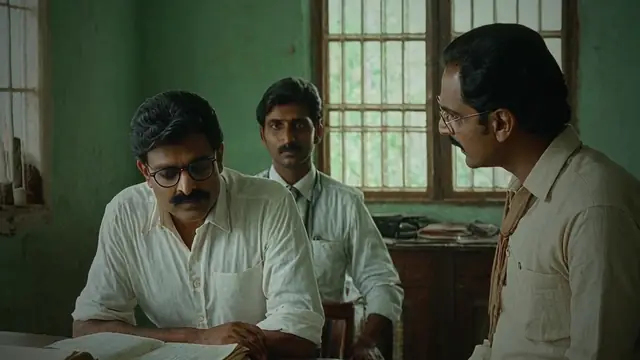
उसी अध्ययन में, जिन पर नज़र रखी गई, उनमें से क़रीब एक चौथाई को राहत मिली।
The same study found that around a quarter of the people they followed showed improvement. A related study suggested that those who entered a trance tended to be more open to suggestion.
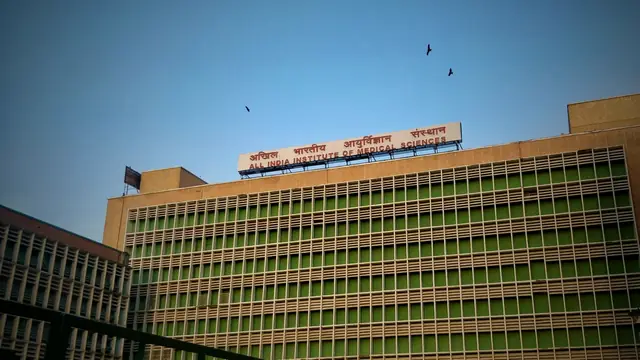
दो हज़ार तेरह में, जर्मनी, नीदरलैंड्स और भारत के वैज्ञानिकों और मनोचिकित्सकों की एक अंतरराष्ट्रीय टीम ने, जिसमें ऑल इंडिया इंस्टीट्यूट ऑफ़ मेडिकल साइंसेज़ भी था, मंदिर के अनुष्ठानों का गहराई से अध्ययन शुरू किया। कुछ शोधकर्ता मानते हैं कि आस्था, अनुष्ठान और परिवार का साथ इलाज में सच में भूमिका निभा सकते हैं।
In two thousand thirteen, an international team of scientists and psychiatrists from Germany, the Netherlands, and India, including the All India Institute of Medical Sciences, began studying the temple's rituals in depth. Some researchers believe that faith, ritual, and family support can play a real part in healing.
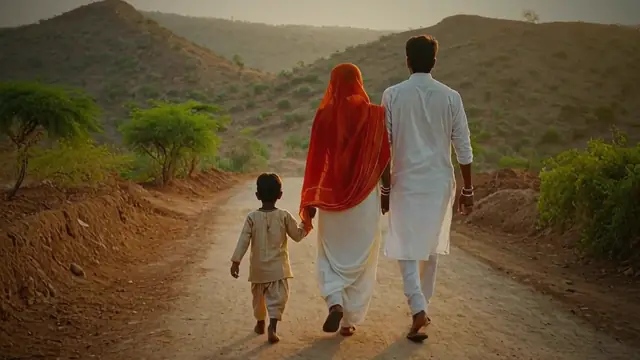
श्रद्धालुओं के लिए बालाजी की शक्ति सच है, और वो बार-बार लौटते हैं। डॉक्टरों के लिए भी उम्मीद और विश्वास मायने रखते हैं। और अगर आपका कोई अपना मुश्किल में है, तो आस्था और इलाज साथ-साथ चल सकते हैं।
For believers, Balaji's power is real, and they return again and again. For doctors, hope and belief matter too. And if someone you love is struggling, faith and medical care can always walk hand in hand.
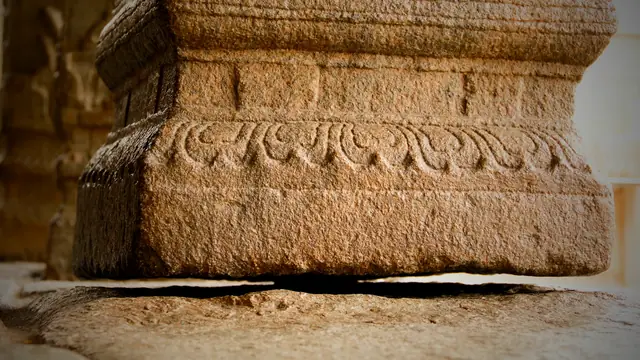
आस्था, उम्मीद और बालाजी की कृपा की एक जगह।
A place of fear, faith, and hope. And next time, we go to the Lepakshi Temple in Andhra Pradesh, where one stone pillar is said to hang from the ceiling.