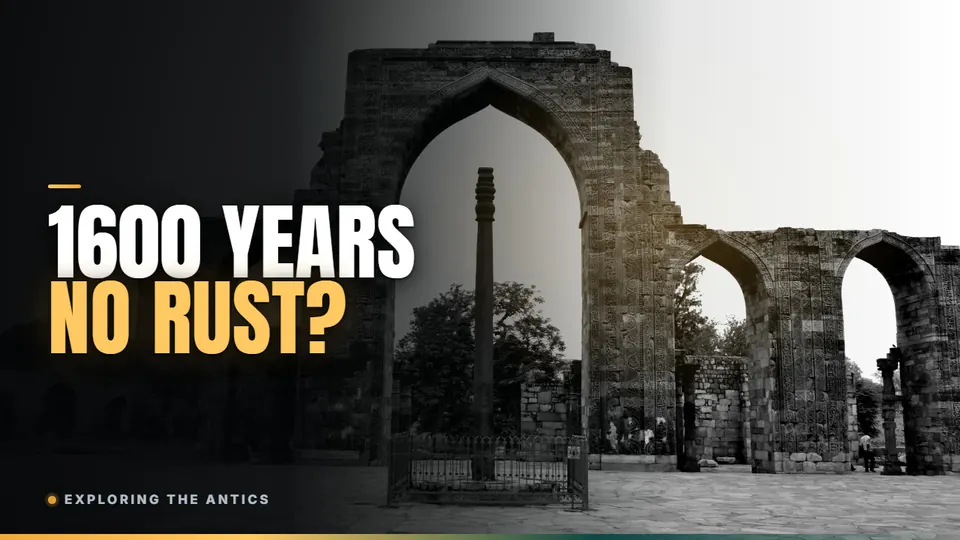
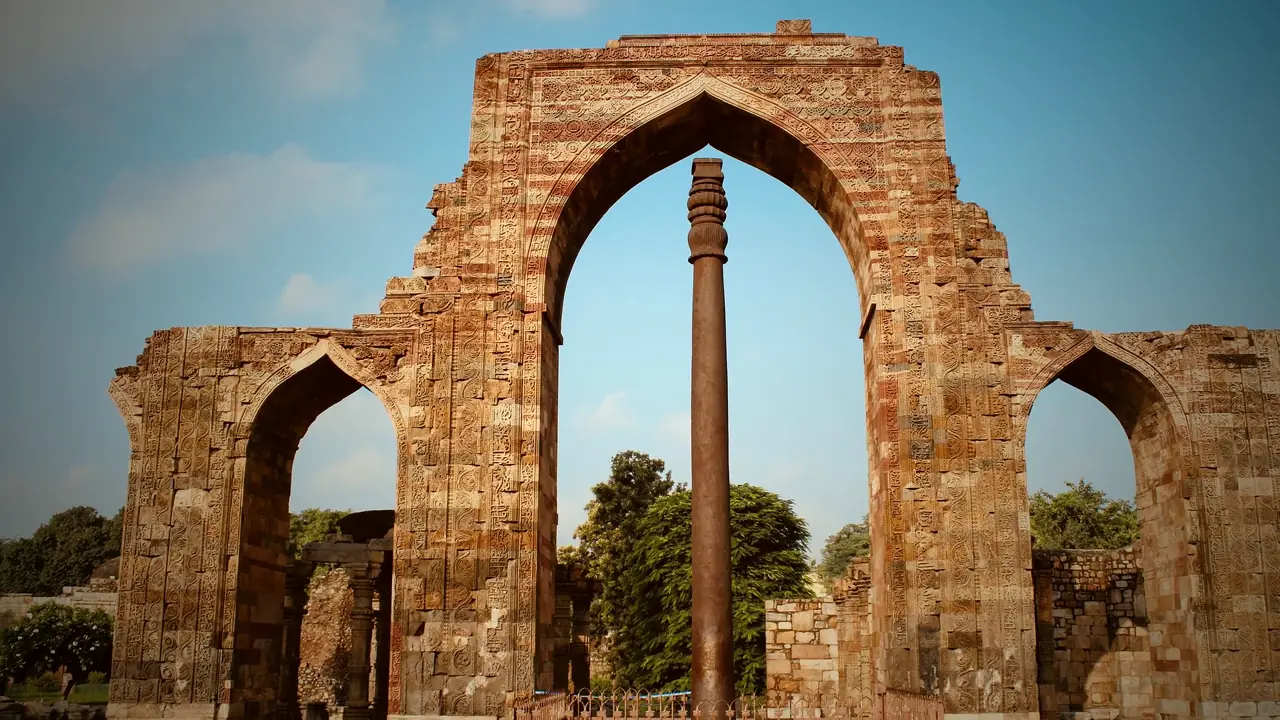
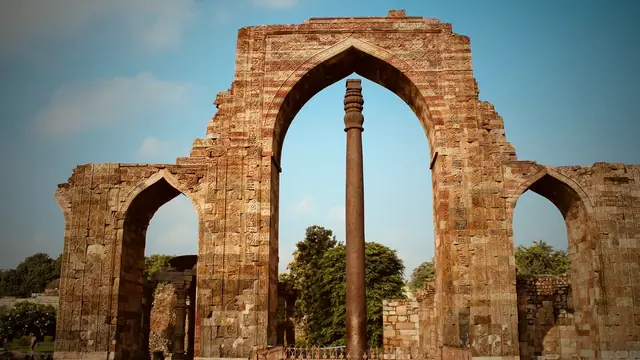
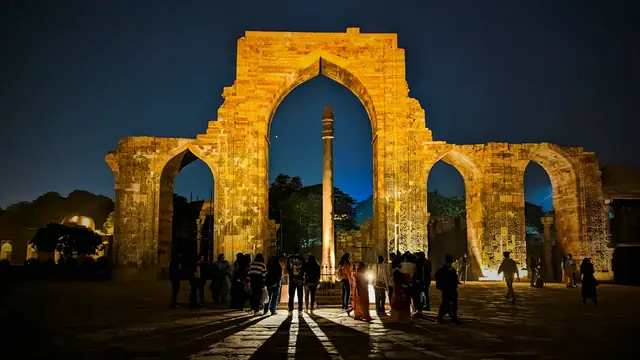
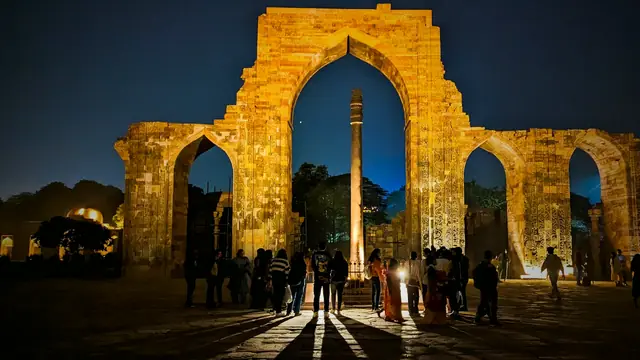
This iron pillar has faced sixteen hundred monsoons, and barely rusted. Some have called it alien metal. Scientists found an answer far more impressive. This is the Iron Pillar of Delhi, more than seven metres of solid iron.
लोहे के इस स्तंभ ने सोलह सौ मानसून झेले, पर इस पर ज़ंग मुश्किल से लगी। कुछ लोगों ने इसे एलियन धातु कहा। वैज्ञानिकों को कहीं ज़्यादा प्रभावशाली जवाब मिला। ये है दिल्ली का लौह स्तंभ, सात मीटर से ज़्यादा ठोस लोहा।
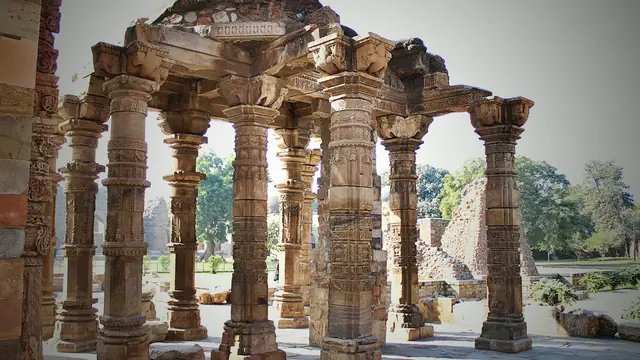
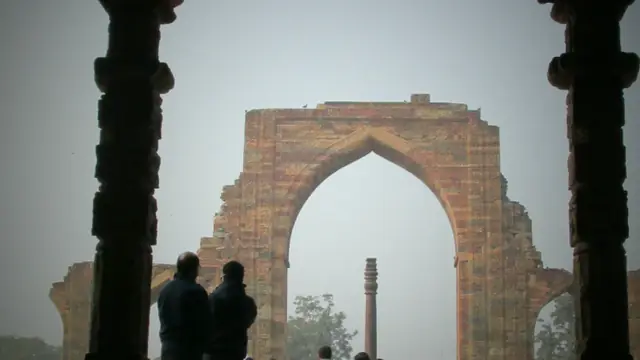
The pillar stands in the Qutb complex at Mehrauli, in the courtyard of an old mosque, just a short walk from the famous Qutb Minar. Together, they are part of a UNESCO World Heritage Site.
ये स्तंभ महरौली के क़ुतुब परिसर में, एक पुरानी मस्जिद के आँगन में खड़ा है, मशहूर क़ुतुब मीनार से बस कुछ क़दम दूर। ये दोनों यूनेस्को की विश्व धरोहर का हिस्सा हैं।
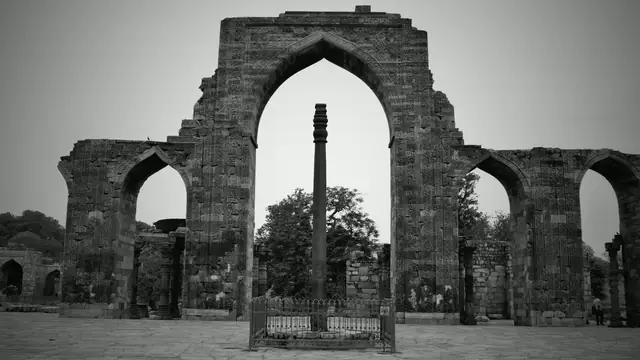
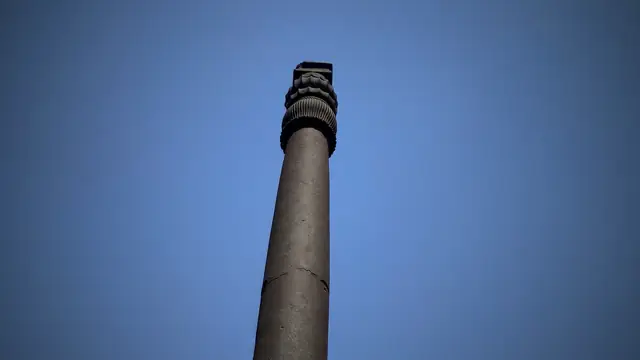
At first glance, it does not look like much. A dark metal column, about forty one centimetres wide, rising a little over seven metres, with more than a metre hidden below the ground. But this column weighs more than six tonnes. And it is far older than anything around it.
पहली नज़र में ये कुछ ख़ास नहीं लगता। एक काला धातु का खंभा, क़रीब इकतालीस सेंटीमीटर चौड़ा, सात मीटर से थोड़ा ऊँचा, और एक मीटर से ज़्यादा ज़मीन के नीचे। पर इस खंभे का वज़न छह टन से भी ज़्यादा है। और ये अपने आस-पास की हर चीज़ से कहीं पुराना है।
Leave an iron nail outside through one rainy season, and it turns orange and flaky. Leave an iron gate for a few decades, and it needs constant painting. So how has this iron survived for sixteen centuries? For a long time, no one could say. And that silence was filled with some very strange ideas.
लोहे की एक कील को एक बरसात बाहर छोड़ दीजिए, वो नारंगी होकर झड़ने लगती है। लोहे का गेट कुछ दशक छोड़ दीजिए, उसे बार-बार पेंट करना पड़ता है। तो ये लोहा सोलह सदियों तक कैसे बचा रहा? बहुत समय तक कोई नहीं बता पाया। और उस ख़ामोशी को कुछ बहुत अजीब विचारों ने भर दिया।
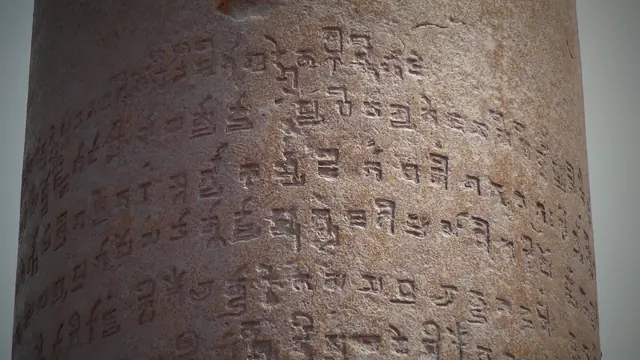
But first, who made it? The answer is written on the pillar itself.
पर पहले, इसे बनाया किसने? जवाब ख़ुद स्तंभ पर लिखा है।
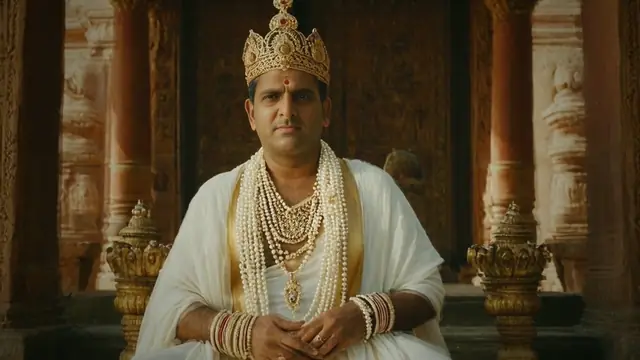
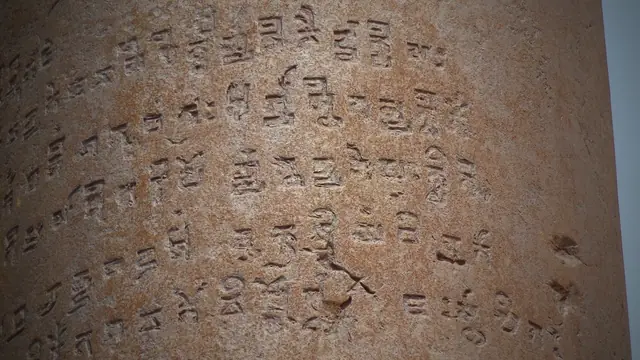
Its oldest inscription is a poem in Sanskrit, carved in an ancient script of the Gupta age. It praises a great king, named simply, Chandra. It tells of his victories, and it says that this pillar was raised as a lofty standard of the god Vishnu, on a hill called Vishnupada.
इसका सबसे पुराना शिलालेख संस्कृत की एक कविता है, गुप्त काल की लिपि में खुदी हुई। ये एक महान राजा की प्रशंसा करती है, जिनका नाम बस चंद्र है। ये उनकी जीतें बताती है, और कहती है कि ये स्तंभ भगवान विष्णु के ऊँचे ध्वज के रूप में, विष्णुपद नाम की पहाड़ी पर खड़ा किया गया।
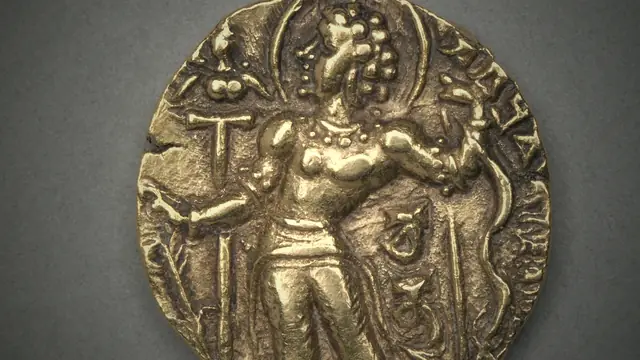
The inscription carries no date. But the style of its writing points to around the year four hundred. And historians generally identify king Chandra as Chandragupta the Second, one of the greatest emperors of the Gupta dynasty, who ruled from around three seventy five to four fifteen of the common era.
शिलालेख पर कोई तारीख़ नहीं है। पर इसकी लिखावट की शैली क़रीब चार सौ ईस्वी की ओर इशारा करती है। और इतिहासकार आम तौर पर राजा चंद्र को चंद्रगुप्त द्वितीय मानते हैं, गुप्त वंश के सबसे महान सम्राटों में से एक, जिन्होंने क़रीब तीन सौ पचहत्तर से चार सौ पंद्रह ईस्वी तक राज किया।
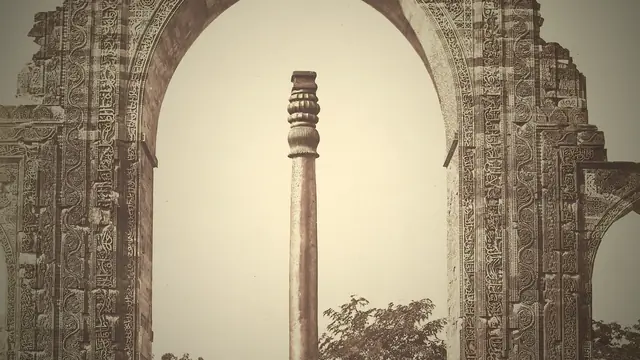
So the pillar was made about sixteen hundred years ago, in what many call a golden age of Indian art and science.
ये स्तंभ क़रीब सोलह सौ साल पहले बना, उस दौर में जिसे कई लोग भारतीय कला और विज्ञान का स्वर्ण युग कहते हैं।
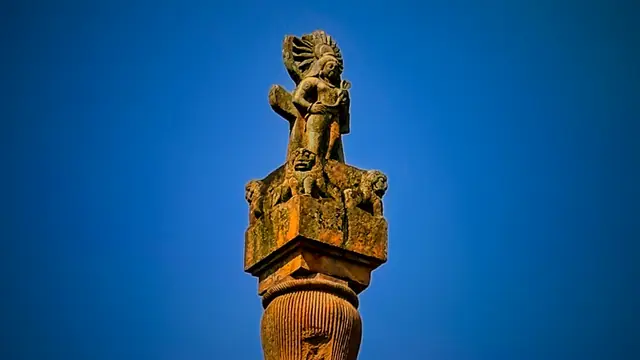
There is a deep socket at the very top. Some believe it once held a figure of Garuda, the divine bird who carries Vishnu. Others suggest a sacred wheel, Vishnu's discus. Whatever crowned it is long gone.
स्तंभ के ठीक ऊपर एक गहरा खाँचा है। कुछ मानते हैं कि इसमें कभी गरुड़ की मूर्ति थी, विष्णु का दिव्य वाहन। कुछ कहते हैं, विष्णु का सुदर्शन चक्र। जो भी ऊपर था, वो बहुत पहले खो गया।
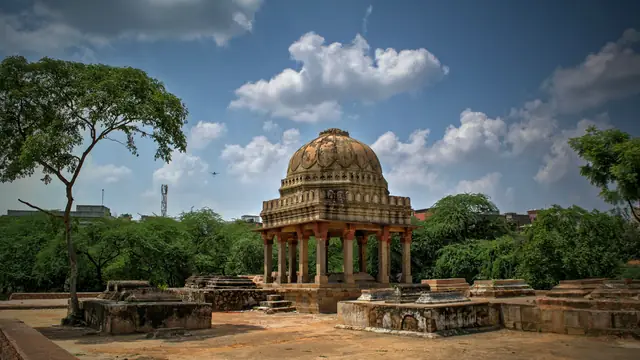
But here is the next puzzle. Delhi has no hill called Vishnupada. So where did the pillar first stand?
पर अगली पहेली। दिल्ली में विष्णुपद नाम की कोई पहाड़ी नहीं है। तो ये पहले कहाँ खड़ा था?
For many years, scholars guessed at different places. Today, many experts, led by the metallurgist R. Balasubramaniam, believe it most likely stood at Udayagiri, a sacred hill of the Gupta kings in central India. Others have suggested places like Vidisha, or Mathura. Historians still debate it.
कई सालों तक विद्वान अलग-अलग जगहों का अंदाज़ा लगाते रहे। आज, कई विशेषज्ञ, धातुविज्ञानी आर. बालासुब्रमण्यम के नेतृत्व में, मानते हैं कि ये सबसे ज़्यादा संभावना से उदयगिरि में था, मध्य भारत में गुप्त राजाओं की एक पवित्र पहाड़ी। दूसरों ने विदिशा या मथुरा जैसी जगहें सुझाई हैं। इतिहासकार अब भी इस पर बहस करते हैं।
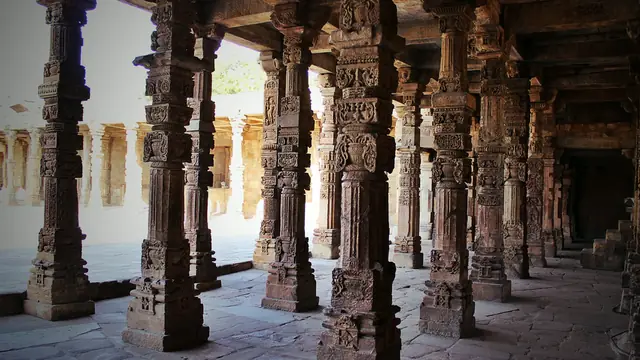
How it reached Delhi is just as uncertain. One theory says it was moved by the Tomar king Anangpal in the eleventh century. Another says it was brought here in the thirteenth century, and set up as a trophy in the courtyard of the new mosque. The truth is, no record tells us for sure.
ये दिल्ली कैसे पहुँचा, ये भी अनिश्चित है। एक सिद्धांत कहता है कि इसे ग्यारहवीं सदी में तोमर राजा अनंगपाल लाए। दूसरा कहता है कि इसे तेरहवीं सदी में लाया गया, और नई मस्जिद के आँगन में विजय-चिह्न की तरह खड़ा किया गया। सच ये है कि कोई रिकॉर्ड पक्के तौर पर नहीं बताता।
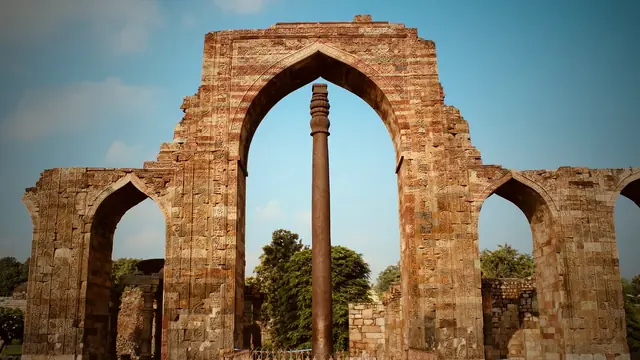
Somehow, a six tonne iron column travelled a long way, and was raised again. And through all of it, it still did not rust.
किसी तरह, छह टन का ये खंभा लंबा सफ़र तय करके फिर खड़ा किया गया। और इस दौरान भी, इस पर ज़ंग मुश्किल से लगी।
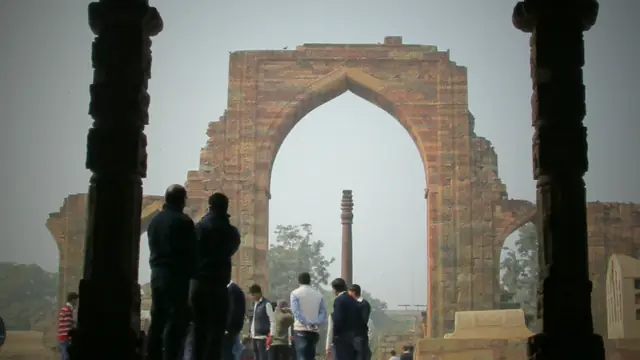
Then, in the twentieth century, the pillar became famous for a very different reason.
फिर बीसवीं सदी में, ये स्तंभ एक बिल्कुल अलग वजह से मशहूर हुआ।
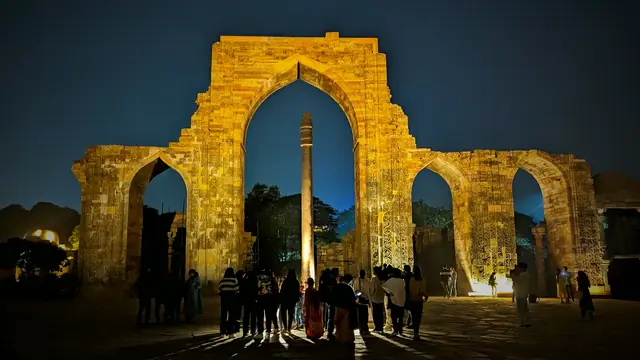
In nineteen sixty eight, the writer Erich von Daniken published a bestselling book called Chariots of the Gods. He suggested that ancient monuments around the world were built with help from visitors from space. And one of his examples was the Iron Pillar of Delhi. Rust-free iron, he suggested, might be an alien metal.
उन्नीस सौ अड़सठ में, लेखक एरिक फ़ॉन डैनिकेन ने एक बेस्टसेलर किताब छापी, चैरियट्स ऑफ़ द गॉड्स। उन्होंने कहा कि दुनिया भर के प्राचीन स्मारक अंतरिक्ष से आए मेहमानों की मदद से बने। और उनका एक उदाहरण था दिल्ली का लौह स्तंभ। उनका कहना था कि बिना ज़ंग का लोहा, शायद एलियन धातु हो।

The idea spread around the world. But it had a problem. The pillar is not rust-free. And in a magazine interview in nineteen seventy four, von Daniken himself accepted that the pillar was made by people, and was no longer a mystery to him.
ये विचार पूरी दुनिया में फैल गया। पर इसमें एक दिक़्क़त थी। स्तंभ ज़ंग-मुक्त नहीं है। और उन्नीस सौ चौहत्तर में एक पत्रिका के इंटरव्यू में, ख़ुद फ़ॉन डैनिकेन ने माना कि ये स्तंभ इंसानों ने बनाया, और अब उनके लिए कोई रहस्य नहीं रहा।
So if not aliens, then what? The real answer turned out to be even more impressive. Because it was human skill.
तो अगर एलियन नहीं, तो क्या? असली जवाब और भी प्रभावशाली निकला। क्योंकि वो इंसानी हुनर था।
The person who finally explained it was R. Balasubramaniam, a professor of metallurgy at the Indian Institute of Technology in Kanpur. He spent years studying the pillar, and published his findings in scientific journals around the year two thousand.
जिन्होंने आख़िरकार इसे समझाया, वो थे आर. बालासुब्रमण्यम, आईआईटी कानपुर में धातुविज्ञान के प्रोफ़ेसर। उन्होंने सालों तक इस स्तंभ का अध्ययन किया, और क़रीब दो हज़ार के आसपास अपने नतीजे वैज्ञानिक पत्रिकाओं में छापे।
The first clue is in how the pillar was made. It was not poured as liquid metal into a mould. Ancient smiths heated lumps of iron until they were soft, and then hammered piece after piece together. This is called forge welding. Imagine the heat, the strength, and the patience needed to build a column of six tonnes, this way, by hand.
पहला सुराग़ इसके बनने के तरीक़े में है। इसे पिघली धातु को साँचे में डालकर नहीं बनाया गया। प्राचीन लोहारों ने लोहे के टुकड़ों को नरम होने तक गरम किया, और फिर एक के बाद एक टुकड़े को पीट-पीटकर जोड़ा। इसे फ़ोर्ज वेल्डिंग कहते हैं। सोचिए, छह टन का खंभा इस तरह, हाथों से बनाने में कितनी गर्मी, ताक़त और धैर्य लगा होगा।
The second clue is inside the metal. The pillar's iron contains an unusual amount of an element called phosphorus. On average, about a quarter of a percent. That sounds tiny. But it is around five times more than in most modern iron.
दूसरा सुराग़ धातु के अंदर है। स्तंभ के लोहे में फ़ॉस्फ़ोरस नाम का तत्व असामान्य मात्रा में है। औसतन, क़रीब एक चौथाई प्रतिशत। सुनने में बहुत कम लगता है। पर ये ज़्यादातर आधुनिक लोहे से क़रीब पाँच गुना ज़्यादा है।
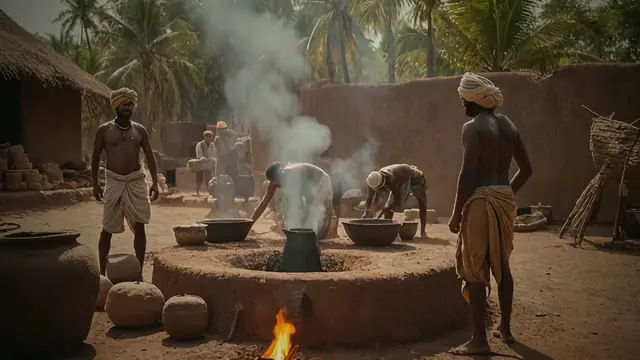
Ancient Indian smiths made iron differently from modern steelworks. And their method left more phosphorus behind. Normally, that would be seen as a flaw. But here, it became a shield.
प्राचीन भारतीय लोहार आधुनिक कारख़ानों से अलग तरीक़े से लोहा बनाते थे, जिसमें ज़्यादा फ़ॉस्फ़ोरस बच जाता था। आम तौर पर ये कमी मानी जाती। पर यहाँ, ये कवच बन गया।
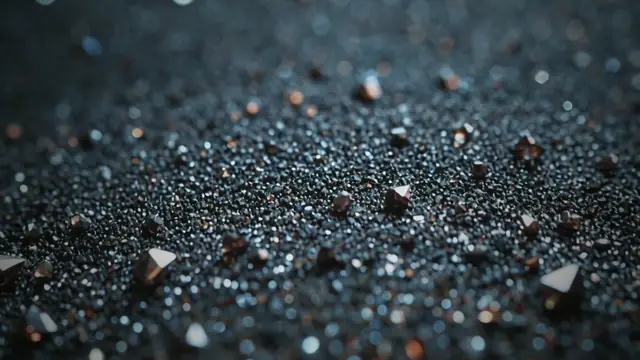
When the pillar gets wet in the rain, and then dries in the sun, again and again, a thin protective film slowly forms on its surface. The phosphorus helps build it. First comes one kind of iron compound. Then, over centuries, a hard, crystal layer of iron phosphate grows on top.
जब स्तंभ बारिश में भीगता है, और फिर धूप में सूखता है, बार-बार, तो उसकी सतह पर धीरे-धीरे एक पतली सुरक्षा परत बनती है। फ़ॉस्फ़ोरस इसमें मदद करता है। पहले एक तरह का लौह यौगिक बनता है। फिर, सदियों में, उसके ऊपर आयरन फ़ॉस्फ़ेट की सख़्त, क्रिस्टल जैसी परत उगती है।
This layer is tight and dense. It seals the metal from the air and water that cause rust. And Delhi's climate, with its cycles of wet and dry, helps it form.
ये परत कसी और घनी है, और धातु को उस हवा और पानी से बचाती है, जिनसे ज़ंग लगती है। दिल्ली के गीले-सूखे मौसम के चक्र इसे बनने में मदद करते हैं।
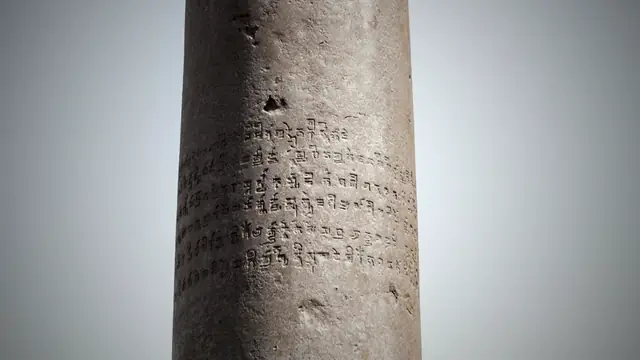
How thick is this shield after all these centuries? In sixteen hundred years, it has grown only about one twentieth of a millimetre. Thinner than a sheet of paper. And yet it has protected the pillar all this time.
सदियों बाद ये कवच कितना मोटा है? सोलह सौ सालों में, ये बस क़रीब एक मिलीमीटर का बीसवाँ हिस्सा बढ़ा है। काग़ज़ की एक शीट से भी पतला। और फिर भी इसने इतने समय तक स्तंभ को बचाए रखा।
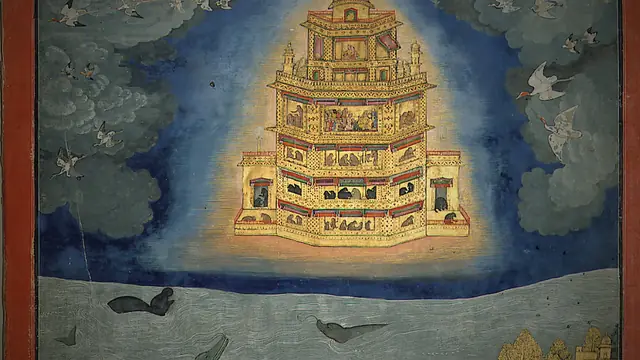
So the pillar does rust. But extremely slowly, and evenly, under its own natural armour. It is not magic, and it is not alien. It is ancient Indian metallurgy, working exactly as the chemistry allows.
तो स्तंभ पर ज़ंग लगती है, पर बहुत धीरे, और एक जैसी, अपने ही प्राकृतिक कवच के नीचे। ये कोई जादू या एलियन नहीं, ये प्राचीन भारतीय धातुविज्ञान है, जो रसायन के नियमों से ठीक वैसे ही काम करता है।
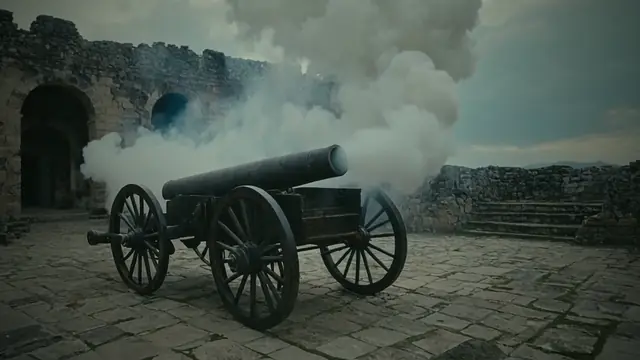
The pillar has survived more than weather. About four metres above the ground, there is a deep dent, with cracks on the opposite side. It was made by a cannonball, fired from close range.
इस स्तंभ ने मौसम से ज़्यादा झेला है। ज़मीन से क़रीब चार मीटर ऊपर एक गहरा गड्ढा है, और दूसरी तरफ़ दरारें। ये तोप के गोले से बना, जो पास से दाग़ा गया।
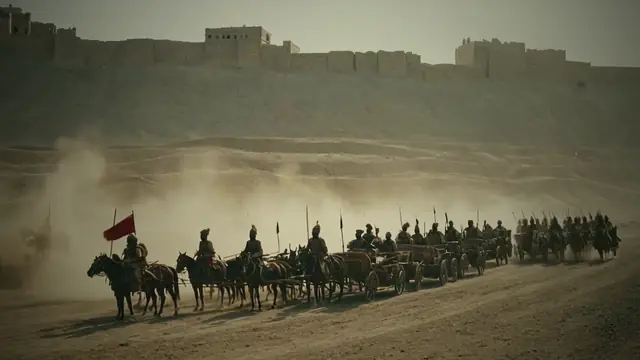
No record tells us who fired it. But historians believe it was probably ordered by the Persian ruler Nadir Shah, when he invaded Delhi in seventeen thirty nine. Whatever the reason, the pillar did not break. No other cannon damage has ever been found on it. And it still stands.
कोई रिकॉर्ड नहीं बताता कि इसे किसने दाग़ा। पर इतिहासकार मानते हैं कि शायद इसका आदेश फ़ारस के शासक नादिर शाह ने दिया, जब उन्होंने सत्रह सौ उनतालीस में दिल्ली पर हमला किया। जो भी हो, स्तंभ टूटा नहीं। इस पर तोप का कोई और निशान नहीं मिला। और ये आज भी खड़ा है।
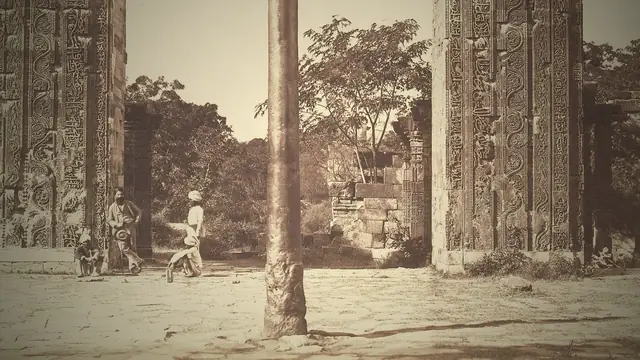
For generations, the pillar also had a tradition of its own. Visitors would stand with their backs against it, and try to wrap their arms around it behind them. If your fingers could touch, it was said, your wish would come true.
पीढ़ियों तक, इस स्तंभ से जुड़ी एक परंपरा भी रही। लोग इसकी ओर पीठ करके खड़े होते, और पीछे हाथ ले जाकर इसे बाँहों में भरने की कोशिश करते। कहा जाता था, अगर उँगलियाँ छू जाएँ, तो मनोकामना पूरी होती है।
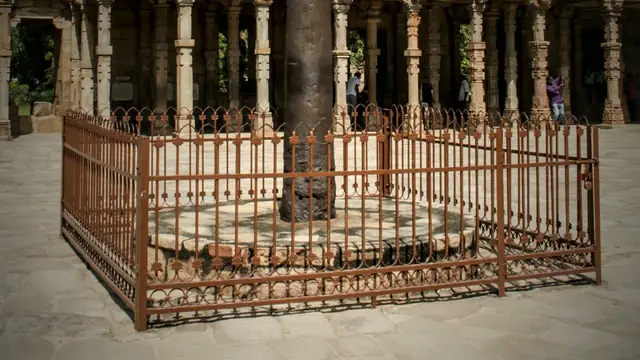
But thousands of hands, year after year, began to wear away the surface near the bottom. So in nineteen ninety seven, a fence was built around the pillar, to protect it from its admirers.
पर हज़ारों हाथ, साल दर साल, नीचे की सतह को घिसने लगे। इसलिए उन्नीस सौ सत्तानवे में, इसके चारों ओर एक बाड़ बना दी गई, ताकि इसे इसके चाहने वालों से बचाया जा सके।
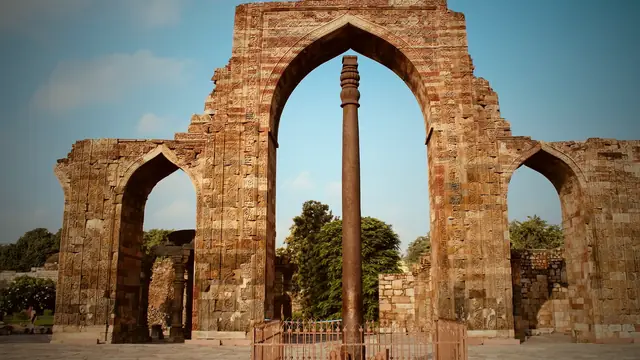
Today, you can still stand before it, and see a monument made by hand, sixteen hundred years ago, that has outlasted kingdoms, invasions, and a cannonball. Not because of aliens. Because of the knowledge of ancient Indian smiths.
आज आप इसके सामने खड़े होकर ऐसा स्मारक देख सकते हैं, जो सोलह सौ साल पहले हाथों से बना, और जिसने राज्यों, हमलों, और एक तोप के गोले को भी पीछे छोड़ दिया। एलियन की वजह से नहीं। प्राचीन भारतीय लोहारों के ज्ञान की वजह से।
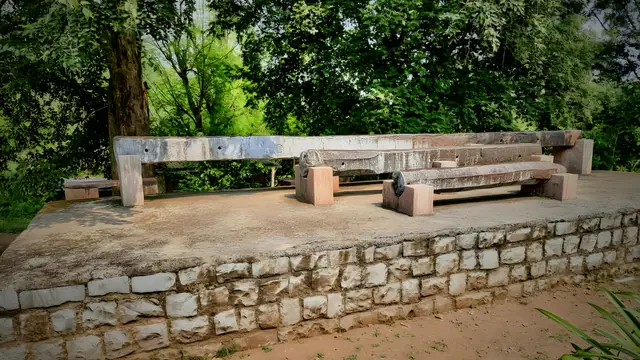
And Delhi's pillar is not alone. In the town of Dhar, in Madhya Pradesh, lies another ancient iron pillar, near a mosque named after it, the Lat Masjid. When it stood upright, it was far taller than the one in Delhi, by some accounts around forty two feet. Today it lies on the ground, broken into three great pieces. No inscription tells us who made it. But Balasubramaniam studied this pillar too, and found that it was also forge welded, and that it also resists rust remarkably well.
और दिल्ली का स्तंभ अकेला नहीं है। मध्य प्रदेश के धार में, लाट मस्जिद के पास, एक और प्राचीन लौह स्तंभ है। खड़ा होने पर ये दिल्ली वाले से कहीं ऊँचा था, क़रीब बयालीस फ़ुट। आज ये तीन टुकड़ों में ज़मीन पर पड़ा है, और कोई शिलालेख नहीं बताता कि इसे किसने बनाया। पर बालासुब्रमण्यम ने पाया कि ये भी फ़ोर्ज वेल्डिंग से बना है, और ये भी ज़ंग का कमाल से मुक़ाबला करता है।
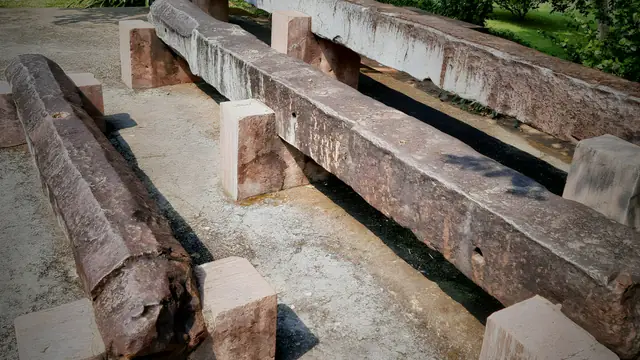
Two giant pillars, made by hand, centuries apart, both still standing up to the weather. Proof that the iron of ancient India was no accident.
दो विशाल स्तंभ, हाथों से बने, सदियों के फ़ासले पर, आज भी मौसम के सामने डटे हुए। सबूत कि प्राचीन भारत का लोहा संयोग नहीं था।
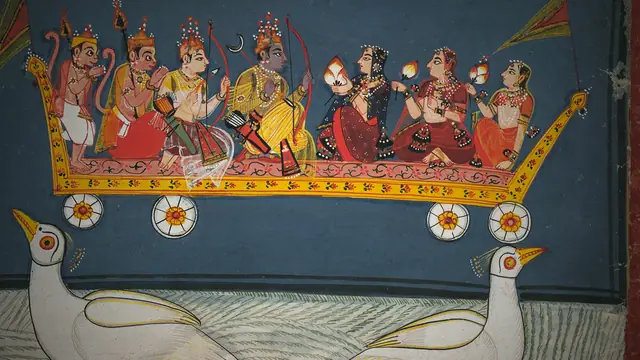
And next time, our Diwali series begins, with the Pushpaka, the flying chariot that, in the Ramayana, carried Rama home after the war.